


Many people search for Taylor Swift color season because they feel unsure about their own colors. You try a shade that looks amazing on a celebrity. Then you wear it and something feels wrong. Your skin looks dull. Your face looks tired. You cannot explain why. This is a common problem when people copy outfits without checking undertone or contrast.
I have studied seasonal color analysis and reviewed many celebrity examples over time. The goal is not just to label someone with a season. The goal is to see patterns in skin tone, hair warmth, eye clarity, and contrast level. In this article, we will examine Taylor Swift’s features step by step. We will compare Light Spring and Light Summer clearly, and you will see how to test these ideas on yourself.
What Is a Color Season?
Seasonal color analysis groups people by how colors look on their natural features.
It looks at:
- Skin undertone
- Hair color
- Eye color
- Contrast level
There are four main seasons:
- Spring
- Summer
- Autumn
- Winter
Spring types are warm and fresh.
Summer types are cool and soft.
Light Spring and Light Summer sit next to each other. That is why they are often confused.
What Is Taylor Swift’s Color Season?
Most color analysts place Taylor Swift in the Light Spring category.
Light Spring is:
- Warm
- Light
- Clear
This subtype sits between True Spring and Light Summer. Because of this overlap, debate exists. Still, when we study her features and outfits, Light Spring fits more consistently.
Is Taylor Swift Warm or Cool Toned?
Taylor has fair skin that often appears warm in natural light. Her natural blonde hair carries golden tones. Her eyes look blue-green and clear.
When she wears warm peach or coral, her face looks bright and balanced.
When she wears icy cool tones, her skin can appear paler.
This pattern suggests warmth is stronger than coolness.
Is She Light Spring or Light Summer?
This is the core of the Taylor Swift color season debate.
Light Spring = warm and bright.
Light Summer = cool and soft.
Taylor in Spring Colors
In warm pastels like peach and coral:
- Her skin looks clearer
- Her eyes stand out
- Her overall look feels balanced
There is harmony between her natural coloring and the outfit.
Taylor in Summer Colors
Soft cool tones like powder blue and dusty pink can look nice.
However, sometimes:
- Her skin looks flatter
- The warmth in her hair looks reduced
This is why many analysts lean toward Light Spring instead of Light Summer.
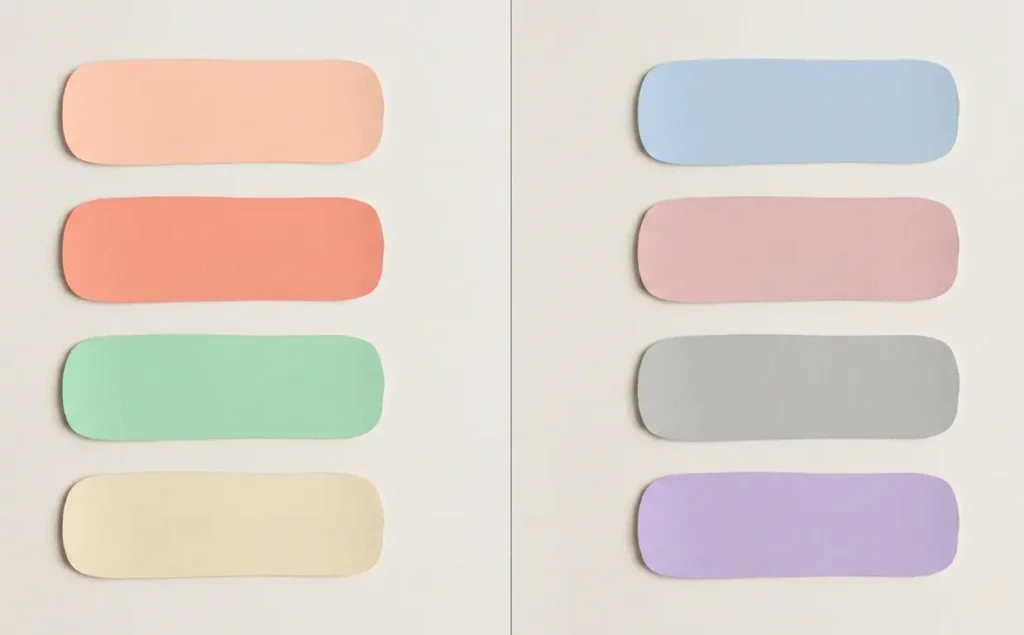
Spring vs Summer Comparison Chart
Here is a clear side-by-side comparison:
| Feature | Light Spring | Light Summer |
|---|---|---|
| Undertone | Warm | Cool |
| Best Neutrals | Warm ivory, light camel | Soft grey, cool beige |
| Best Accent Colors | Peach, coral, warm mint | Powder blue, dusty rose |
| Overall Effect on Taylor | Skin looks fresh and bright | Skin looks softer but slightly flatter |
This comparison supports the Light Spring conclusion.
Expert Note on Seasonal Analysis
Seasonal color analysis should not be based on one single photo. Lighting, makeup, and camera filters can change how colors appear. A proper evaluation looks at repeated patterns across natural light, different outfits, and minimal makeup appearances.
This is why reviewing multiple eras gives a clearer result than judging one red carpet look.
Taylor Swift’s Natural Features
Let’s examine her features step by step.
Skin Tone
Fair and often appears warm in sunlight.
Hair Color
Naturally blonde with golden tones.
Eye Color
Clear blue-green.
Contrast Level
Low to medium contrast between hair, skin, and eyes.
These traits align more with Light Spring than Light Summer.
Taylor Swift Color Season Analysis
Here is the structured reasoning:
- Her blonde hair carries visible warmth.
- Her skin appears more golden than rosy.
- Her contrast level is light, not deep.
- Warm pastels brighten her more than icy tones.
- Very dark colors require stronger makeup to balance her look.
Because of these factors, Light Spring fits more consistently.
Style Examples From Different Eras
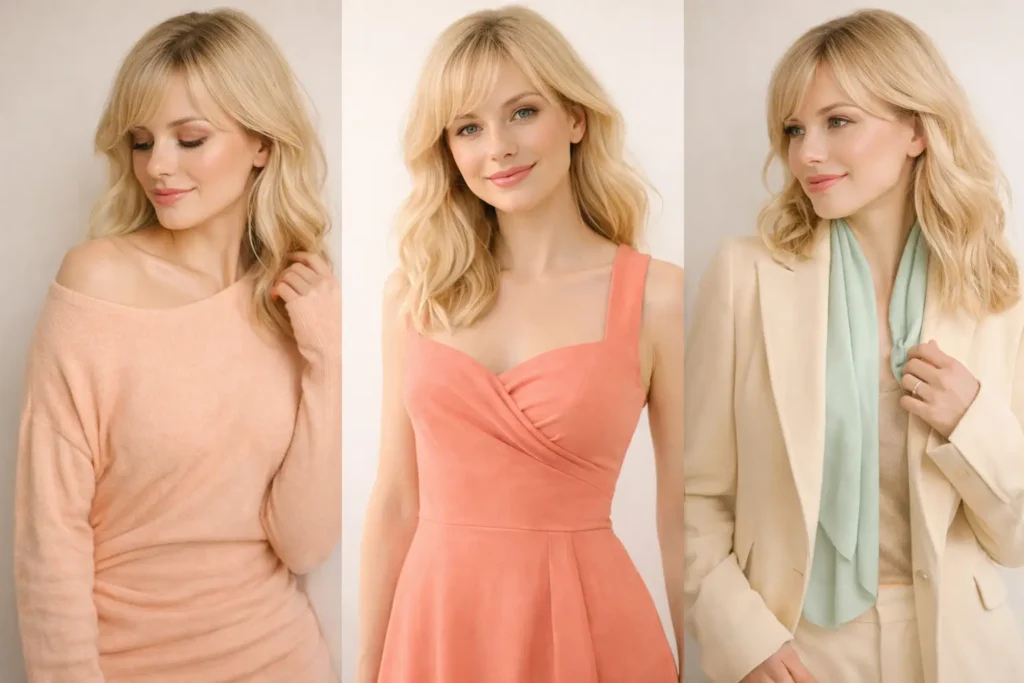
Looking at different periods of her career gives more visual proof.
During the 1989 era, she wore many soft pastel outfits. These shades match Light Spring brightness.
In the Red era, warmer reds and corals looked more balanced than deep burgundy tones.
In the Folklore era, she wore more muted colors. Some of these softer tones are why people consider Light Summer. However, her natural warmth still shows through.
Studying real appearances strengthens this seasonal color analysis.
Light Spring Color Palette
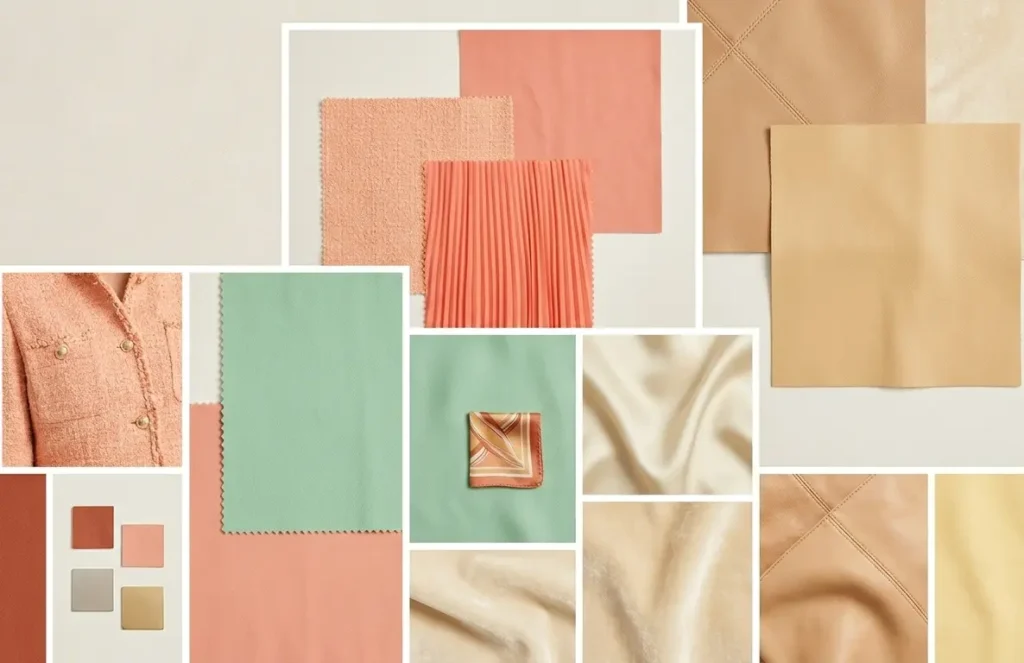
The Light Spring palette includes:
- Warm pastels
- Light golden neutrals
- Fresh greens
- Soft corals
Best neutrals:
- Warm beige
- Cream
- Light camel
Pure black can feel heavy. Soft navy or warm grey usually works better for Light Spring types.
Taylor’s Worst Color
Very dark and very cool colors can overpower her features.
Examples include:
- Deep black
- Very cool icy shades
- Dark burgundy
Because her contrast level is light, heavy shades can dominate instead of support her face.
How to Dress Like Taylor Swift Using Her Color Season
If you believe you share similar coloring, you can test Light Spring colors yourself.
Wardrobe Tips
- Choose warm pastel tops
- Pick light wash denim
- Use cream instead of pure white
Hair Ideas
- Golden blonde
- Honey blonde
- Warm light brown
Avoid very ashy tones if you lean warm.
Makeup Tips
- Peach blush
- Coral lipstick
- Warm champagne eyeshadow
Keep the look fresh and light.
What This Means for You
Many people search Taylor Swift color season because they see similar features in themselves.
If you have:
- Fair or light skin
- Blonde or light brown hair
- Light eyes
- Low to medium contrast
You might fall into the same category.
You can test this easily.
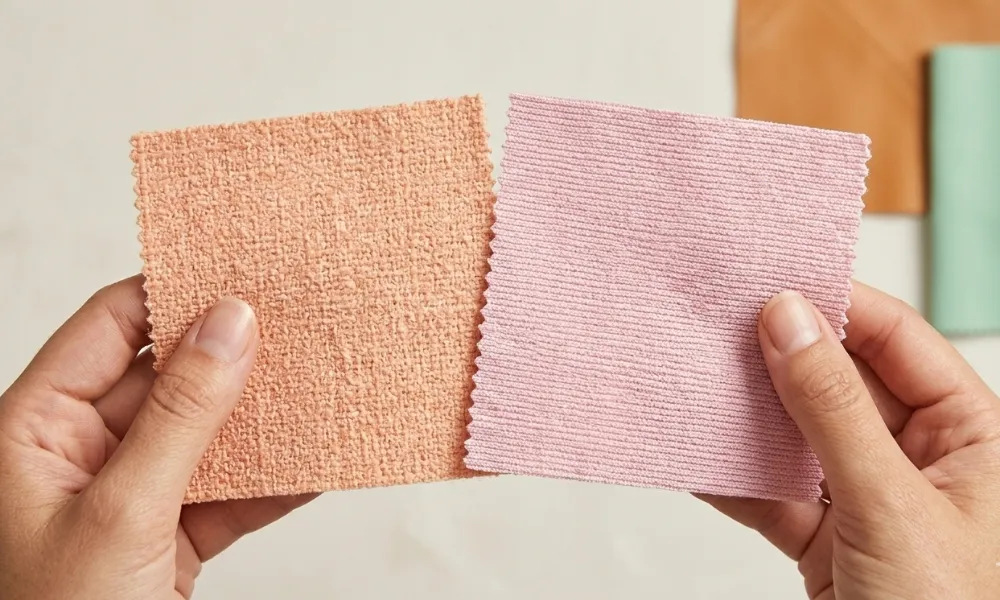
Wear a warm peach top near your face.
Then try a cool icy pink.
Stand in natural light.
Notice which one makes your skin look clearer and more alive.
That is how seasonal color analysis works in real life.
Celebrity examples make it easier to see patterns. But your own features matter most.
If you are unsure, compare Light Spring and Light Summer side by side and observe how your skin reacts.
Quick Light Spring Self-Test
Answer these questions:
- Does gold jewelry look better on you than silver?
- Do warm peach and coral make your skin look brighter?
- Do very dark colors feel too heavy near your face?
- Is your natural hair slightly golden rather than ashy?
If you answered “yes” to most of these, you may lean toward Light Spring rather than Light Summer.
Key Takeaways
- Most evidence supports Light Spring.
- Warm pastels flatter her more than cool muted tones.
- Her low contrast supports lighter palettes.
- Deep dark shades can overpower her features.
- Celebrity case studies help explain seasonal color analysis clearly.
Conclusion
After reviewing her undertone, contrast level, and outfit harmony across different appearances, Light Spring fits Taylor Swift more consistently than Light Summer. Warm pastels support her natural brightness, while very cool or very dark shades can overpower her features. From my experience analyzing seasonal palettes, the key is not one single outfit but repeated visual patterns over time. Celebrity examples make the system easier to understand, but your own natural coloring is what matters most. When you test colors in natural light and observe how your skin reacts, you move from guessing to choosing shades that truly support your face.
