

Many people feel frustrated when clothes or makeup look good in the store but not on them. You may have tried popular colors that looked great on someone else but made your skin look dull or tired. Maybe you have taken online quizzes and still feel unsure. This confusion is common. Most people are never taught how to choose colors that match their natural features. They end up guessing, buying shades that do not work, and building a wardrobe that feels mismatched.
I went through the same problem. I used to pick colors based on trends or what I liked in photos. Some worked, but many did not. After testing colors in natural daylight and learning how undertone, contrast, and color depth affect appearance, I began to see clear patterns. Over time, I tested these methods on many people at home using simple steps. The results were consistent. The right colors made the skin look clearer and more balanced. This guide is based on those real tests and practical experience, so you can learn how to determine your color season in a simple and reliable way.
Quick Color Season Takeaway
Warm + bright → Spring
Cool + soft → Summer
Warm + muted → Autumn
Cool + bold → Winter
Use this as a starting point only. Always test colors near your face in natural daylight for accurate results.
Quick 5-Minute Test to Determine Your Color Season
If you want a fast start, try this in daylight.
- Stand near a window with no makeup.
- Hold gold near your face. Then hold silver.
- Try a bright color like clear red. Then try a dusty red.
- Notice which one makes your skin look fresh.
Gold and warm colors look better; you may lean towards warm.
Silver and cool colors look better; you may lean cool.
Soft colors suit you; you may be summer or autumn.
Bright colors suit you; you may be spring or winter.
Use this as a starting point. Then follow the full steps below.
What Is Color Analysis?
Color analysis is a way to find the shades that suit your natural features. It looks at your skin tone, hair color, eye color, and contrast. These traits help place you into a color season.
There are four main seasons:
Some systems use twelve seasons for more detail. Both systems help you find colors that work for you.
How Color Analysis Will Change the Way You Get Dressed
When you know your season, shopping gets easier. You stop buying colors that feel wrong. Your makeup looks better. Your wardrobe starts to match. You waste less money.
You will know:
- which colors make your skin glow
- which shades to avoid
- which neutrals to wear often
The Four Color Seasons in Color Analysis
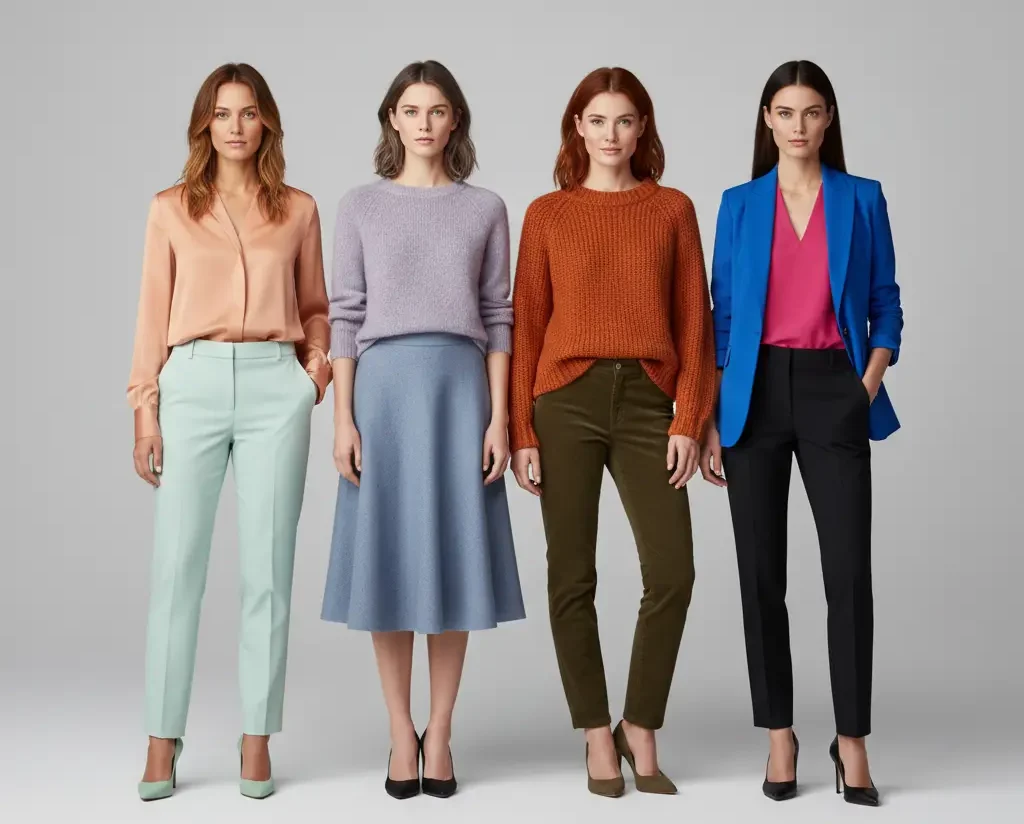
Each season has a mix of warm or cool tone, light or deep value, and soft or bright color.
Spring: warm and bright
Summer: cool and soft
Autumn: warm and muted
Winter: cool and bold
These four groups form the base of color analysis.
The 12-Season Color Analysis
Some people sit between two seasons. The twelve-season system gives more detail. Each main season splits into three types.
Example:
- Light Spring
- Warm Spring
- Clear Spring
Use the four-season system first. Move to the twelve-season system if you feel stuck between results.
What Season Are You?
Let’s break it down into simple tests. Use natural daylight and a mirror. Avoid yellow indoor lights.
How to Find Your Season
Follow these steps in order.
Discover Your Undertone
Your undertone is the base tone of your skin. It does not change with tanning.
Check these signs:
- Gold jewelry looks better → warm
- Silver jewelry looks better → cool
- Both look fine → neutral
Hold white and cream fabric near your face.
If white looks better, you may be cool.
If cream looks better, you may be warm.
Use more than one test. No single test gives the full answer.
Undertone Test Guide
| Test | Warm Sign | Cool Sign | Neutral Sign |
|---|---|---|---|
| Jewelry | Gold looks better | Silver looks better | Both look fine |
| White vs Cream | Cream suits you | White suits you | Both work |
| Veins | Greenish | Blue/purple | Hard to tell |
| Sun Reaction | Tans easily | Burns first | Both happen |
What If You Have a Neutral or Olive Undertone?
Some people are not fully warm or cool.
Signs of neutral undertone:
- Gold and silver both look fine
- Many colors suit you
- Veins look blue and green
Signs of olive undertone:
- Skin looks slightly green or gray
- Some warm colors look too yellow
- Some cool colors look too pink
If you are neutral or olive, you may fit into:
- soft summer
- soft autumn
- deep winter
- deep autumn
Focus on how colors react to your skin more than strict rules.
Consider Your Contrast
Contrast means the difference between your skin, hair, and eyes.
High contrast:
- dark hair and light skin
- bright eyes
- strong features
Low contrast:
- soft hair color
- soft eye color
- gentle features
High contrast often fits winter or spring.
Low contrast often fits summer or autumn.
Look at Chroma: Soft vs Clear Colors
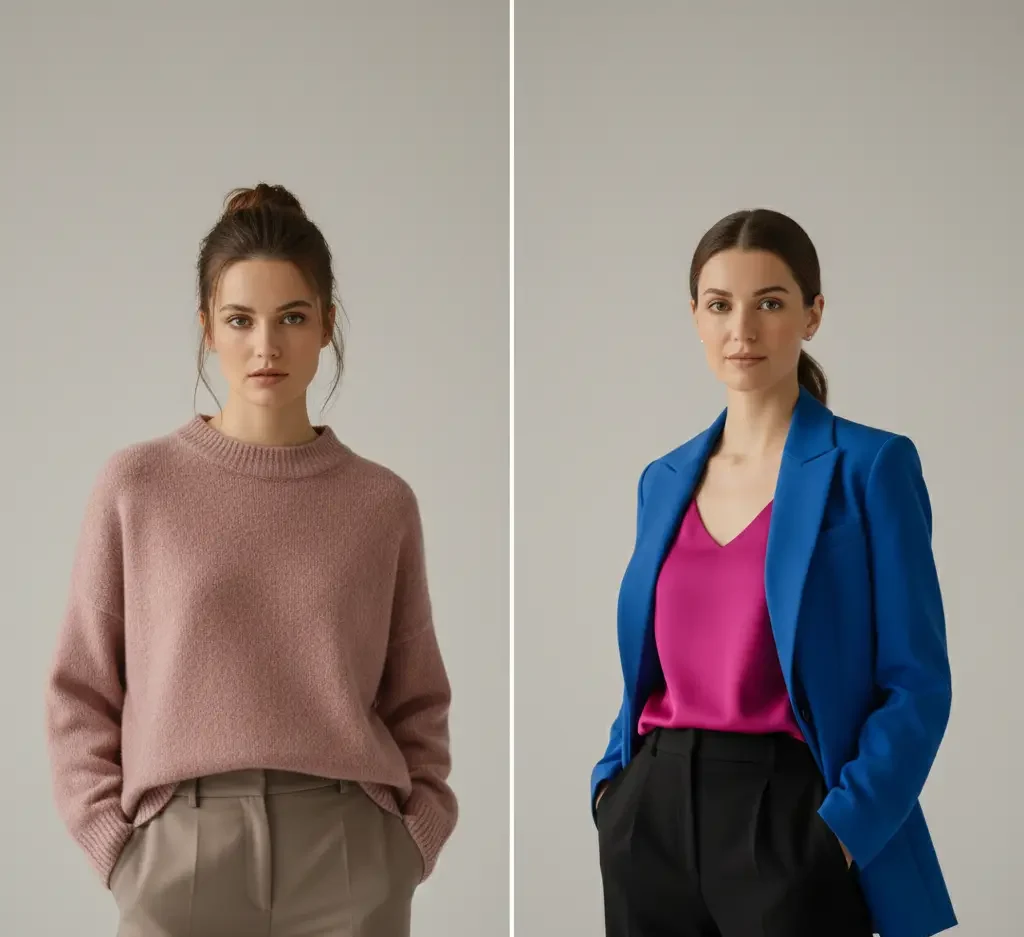
Chroma means how bright or muted a color is.
Hold bright colors near your face:
- If you look lively, you may suit clear colors
- If they look harsh, you may suit soft colors
Soft colors suit summer and autumn.
Clear colors suit spring and winter.
How to Test Colors at Home with Fabric
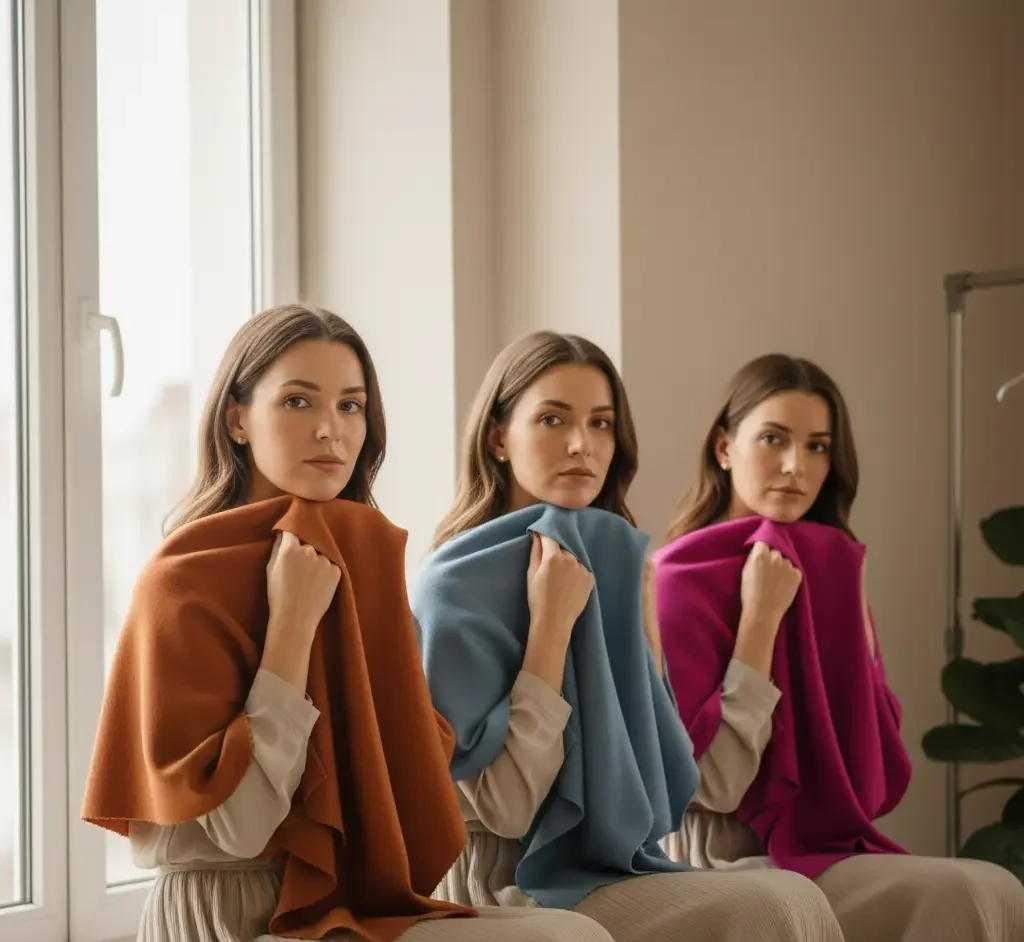
Use clothes or scarves you already own.
- Sit near a window with natural light
- Pull hair away from your face
- Remove heavy makeup
- Hold one color at a time under your chin
- Look for shadows or dull skin
Good colors make your skin look clear.
Bad colors make your skin look tired.
Take photos and compare them.
Analyzing Each Season
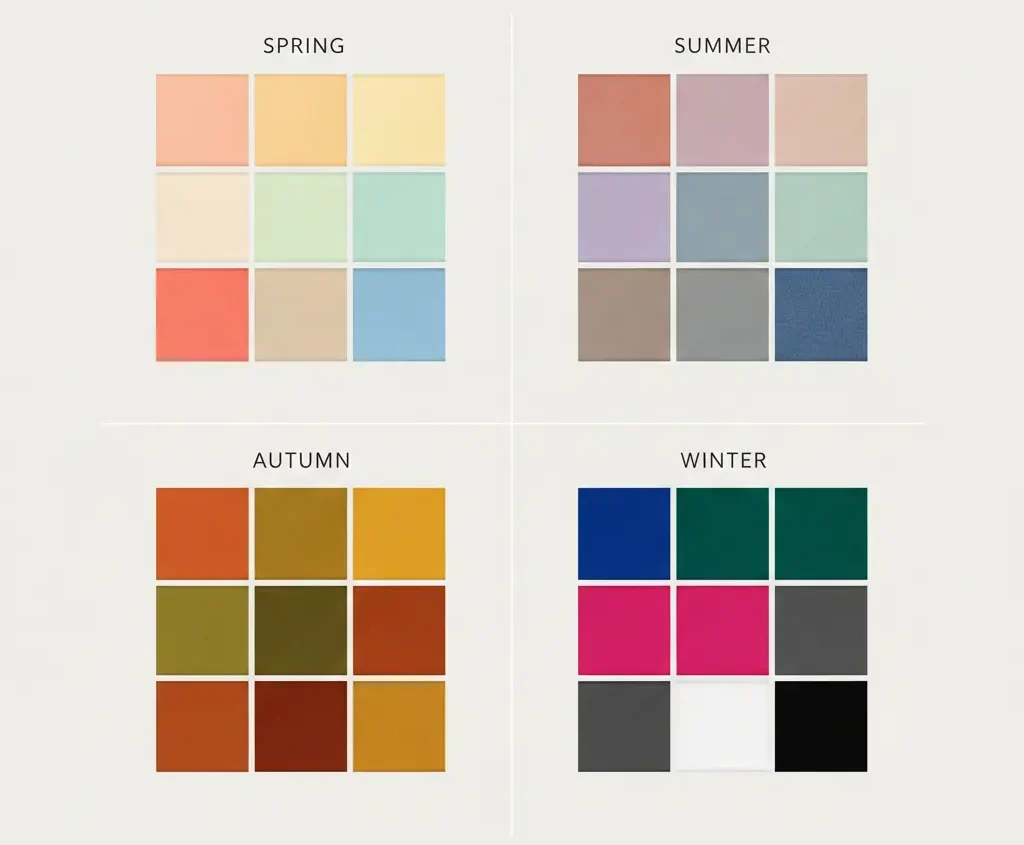
Now match your results with the season traits below.
Spring
Spring people look best in warm and bright shades. Their features often look lively and clear.
Best colors:
- peach
- coral
- warm green
- light turquoise
Avoid very dark or dusty shades.
Spring Seasons
Light Spring: light and warm
Warm Spring: fully warm
Clear Spring: bright and fresh
Summer
Summer people suit cool and soft shades. Their features look gentle and calm.
Best colors:
- dusty pink
- soft blue
- lavender
- cool gray
Avoid very warm or neon shades.
Summer Seasons
Light Summer: light and cool
Cool Summer: fully cool
Soft Summer: muted and gentle
Autumn
Autumn people suit warm and muted shades. Their features look rich and deep.
Best colors:
- olive
- rust
- mustard
- warm brown
Avoid icy or very bright shades.
Autumn Seasons
Soft Autumn: soft and warm
Warm Autumn: fully warm
Deep Autumn: deep and rich
Winter
Winter people suit cool and bold shades. Their features often have a strong contrast.
Best colors:
- black
- jewel tones
- icy pink
- true red
Avoid dusty and warm shades.
Winter Seasons
Cool Winter: fully cool
Deep Winter: dark and strong
Clear Winter: bright and cool
Color Season Comparison Chart
| Season | Tone | Best Colors | Avoid |
|---|---|---|---|
| Spring | Warm, bright | Coral, peach, warm green | Dusty, very dark |
| Summer | Cool, soft | Lavender, soft blue, gray | Neon, warm orange |
| Autumn | Warm, muted | Olive, rust, mustard | Icy pastels |
| Winter | Cool, bold | Black, jewel tones, true red | Dusty browns |
If You Feel Stuck Between Two Seasons
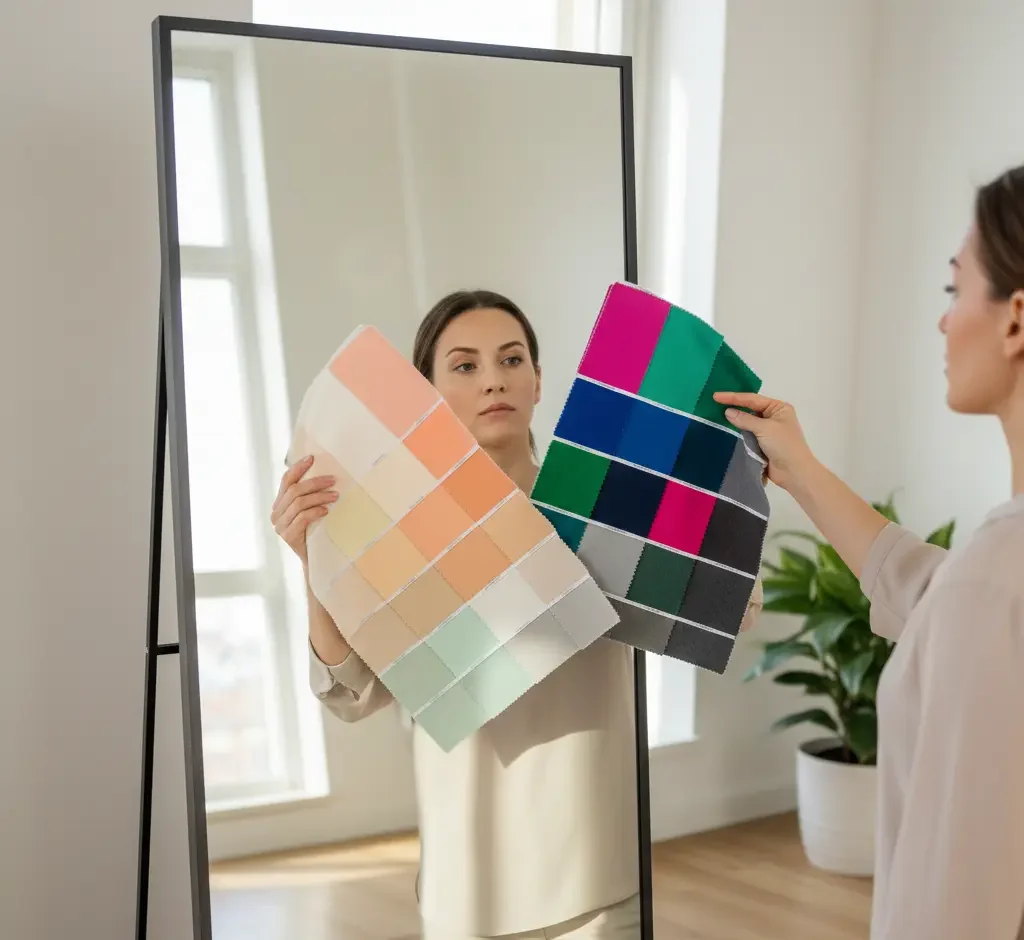
This is common.
Soft Summer vs Soft Autumn
- Both wear muted colors
- Summer is cool
- Autumn is warm
Deep Winter vs Deep Autumn
- Both wear deep colors
- Winter is cool
- Autumn is warm
Spring vs Autumn
- Both are warm
- Spring is bright
- Autumn is muted
Test bright vs muted first.
Then test warm vs cool.
Why Knowing Your Season Helps
Once you know your season, you can:
- choose better clothes
- pick better makeup
- build a simple wardrobe
- shop with less stress
The right colors make your skin look smooth and your eyes stand out.
What to Do After You Find Your Season
Start using your season in daily life.
You can:
- choose clothing colors that match
- pick makeup shades
- build a small wardrobe
- shop faster
- avoid wasting money
Start with tops and scarves near your face.
These colors matter most.
Common Mistakes People Make
Many people get the wrong result because of small errors.
Watch for these:
- testing under yellow light
- trusting hair color alone
- using phone filters
- copying celebrity seasons
Always test in natural light.
What To Do After You Find Your Season
- Choose tops in your best colors first
- Pick 2–3 neutral wardrobe colors
- Update lipstick and blush shades
- Save your palette on your phone
- Test colors before buying new clothes
Start with items worn near your face. These colors make the biggest difference.
Not Sure Which Color Season You Are?
Take our free 2-minute Color Season Quiz to discover whether you are most likely a Spring, Summer, Autumn, or Winter—and explore the colors that suit you best.
Final Thoughts
Finding your color season takes time and honest testing, but it becomes clearer the more you practice. Many people start this process feeling unsure because they have spent years choosing colors based on trends or what they see on others. From my own testing and from helping many beginners try these steps at home, the biggest change happens when you finally see the right shades in natural light. Your skin looks calmer, your eyes stand out more, and your outfit feels balanced without extra effort. That moment helps you trust what you see instead of guessing.
Once you know your season, daily choices become simpler. You shop with more confidence and stop buying colors that sit unused in your closet. Even small changes, like choosing the right top or scarf near your face, can improve how you look and feel. Keep testing colors in daylight and take photos if needed. Over time, you will learn which shades support your natural features. This steady approach builds a wardrobe that feels consistent and easy to wear for years.
