


As the air becomes cooler and frost begins to form on windows, Winter begins. This is the season of sharp contrast, like white snow, deep blue skies, and evergreens. These visuals reflect the true coolness and clarity of Winter colors.
Winter shades move from icy light colors to deep jewel tones. They are cool and highly intense, which is why they stand out so clearly in seasonal color analysis. In my experience, once you match your natural coloring to the right Winter season, dressing becomes easier, and your look feels naturally balanced.
How to Identify a Winter Type
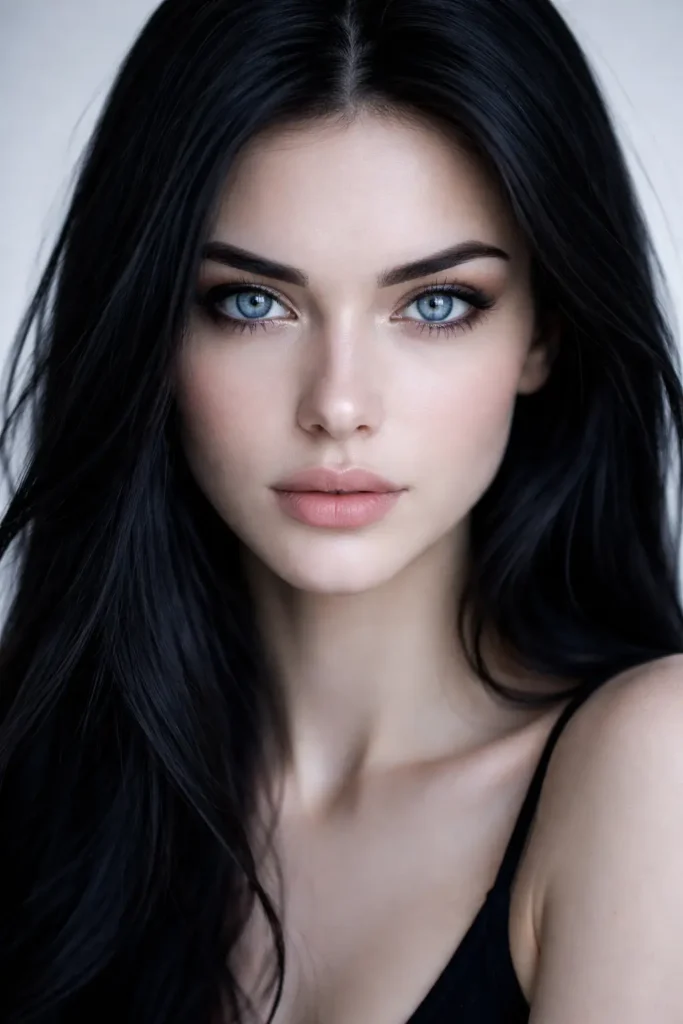
If you are part of the winter color season, your features are usually cool-toned to neutral. Many Winters have blue eyes, icy hazel eyes, brown eyes, dark brown eyes, or black eyes. Hair is often dark, such as dark brown, black-brown, or jet black, creating strong contrast.
Winter skin tones stay cool and range from fair and light to tan, dark, and deep. Winters rarely have naturally light hair, except when dark hair turns silver or white later in life. Most Winter subtypes are shaped by one dominant trait: bright, cool, or deep.
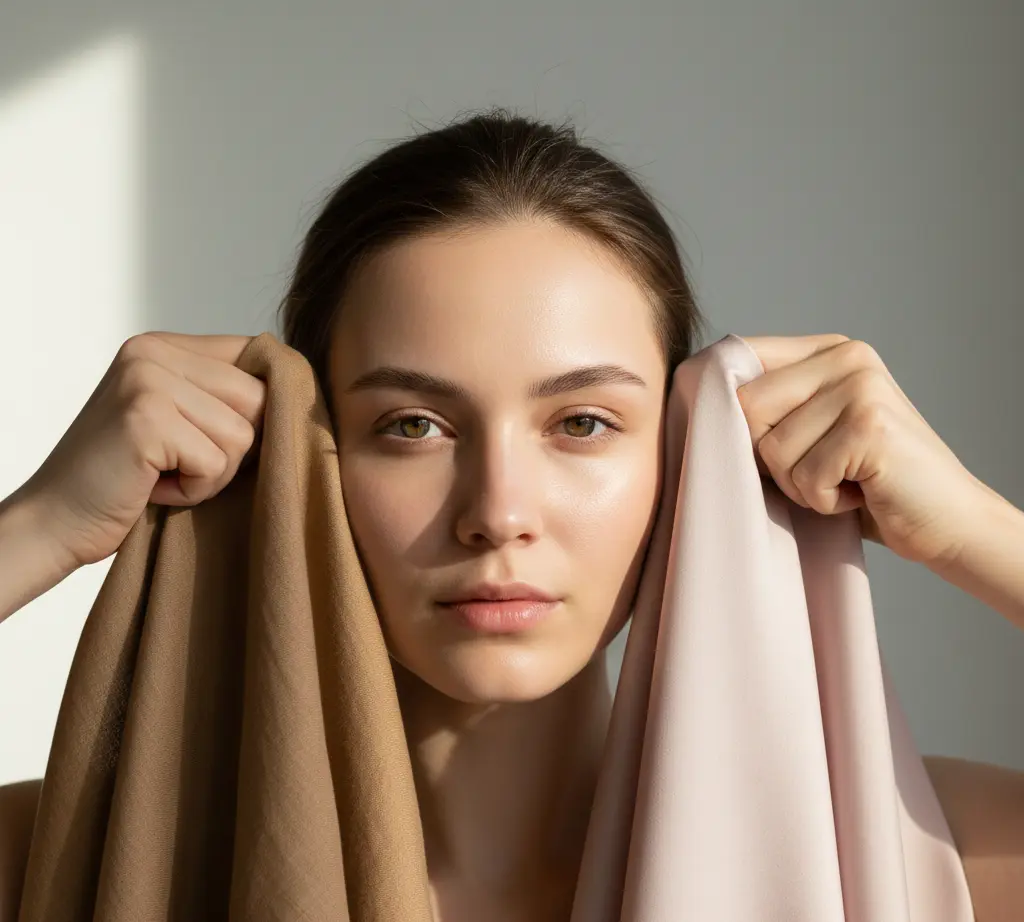
A quick draping test can help:
- Place colors near your complexion in natural light
- Use a neutral background
- Compare contrasting shades
- Wear no makeup for accuracy
Quick Winter Type Checklist
You may fall into the Winter color season if these feel familiar:
- Black looks sharp and clear on you
- Silver jewelry suits you more than gold
- Your features show strong contrast (eyes, hair, skin)
- Cool icy shades brighten your face
- Warm earthy colors make you look dull or faded
What Are the Winter Subsets?
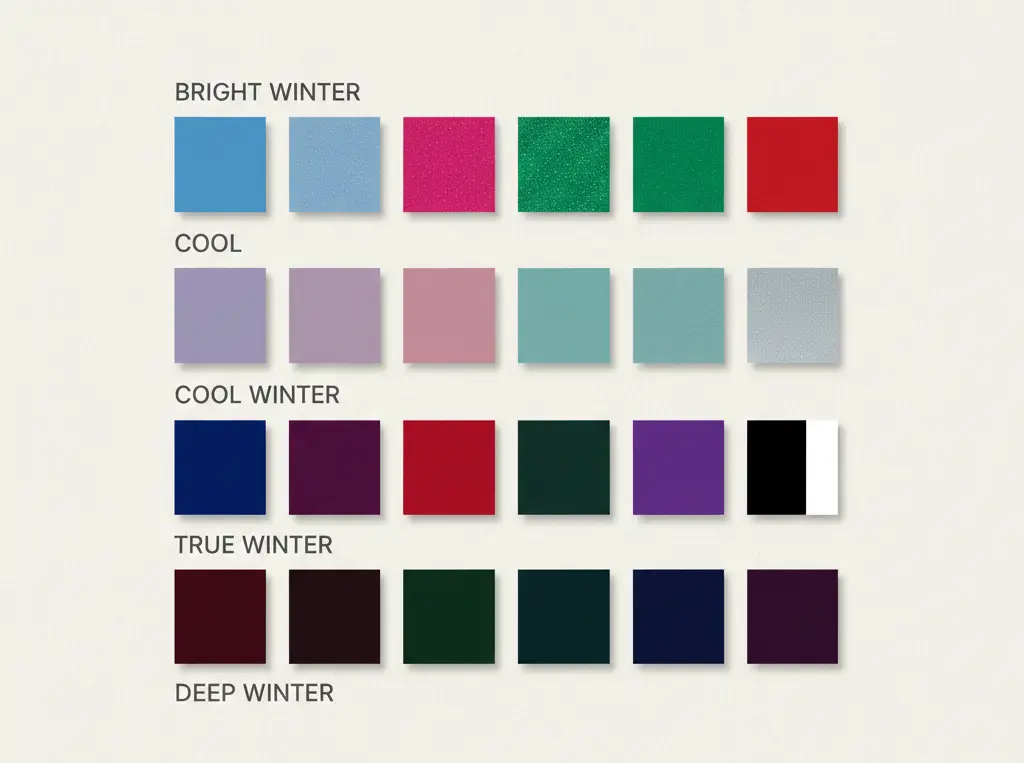
In winter color seasons, there are three main subgroups: Bright Winter, Cool Winter, and Deep Winter. Each one is shaped by brightness, coolness, or depth, making the Winter palette easier to understand.
Winter season subtypes include:
- Bright Winter (Clear Winter)
- Cool Winter
- True Winter
- Deep Winter (Dark Winter)
Winter Subtypes at a Glance
| Subtype | Main Trait | Best Colors |
|---|---|---|
| Bright Winter | Highest Contrast + Clear | Fuchsia, turquoise, icy brights |
| Cool Winter | Coolest + Softest | Icy pastels, cool blues, greys |
| True Winter | Pure Winter Balance | Jet black, stark white, jewel tones |
| Deep Winter | Dark + Rich Depth | Burgundy, plum, deep blues |
Tip: All Winter seasons are cool-toned, but each subtype shifts in brightness, coolness, or depth.
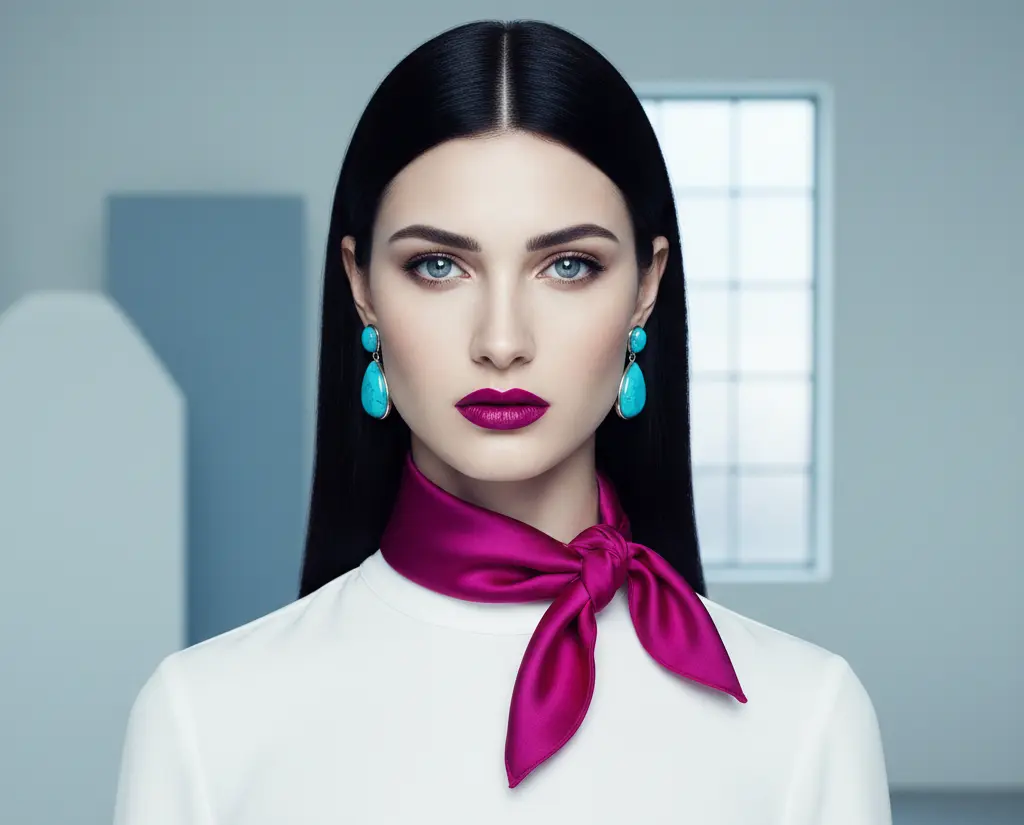
Bright/Clear Winter
Cool winter is the softest winter season, influenced slightly by summer. The dominant trait is coolness, often seen in light cool skin and eyes like blue, grey, or green.
The palette is blue-based and moderately bright, including icy lights, pastels, medium shades, and darks.
Neutrals:
- white, greys, pewter, charcoal, navy, brown-black, black
Accent colors:
- lemon yellows, bright warm pinks, corals, bright reds
- turquoise, bright teal, blue greens, blues, purples
Cool Winter

Cool winter is the softest winter season, influenced slightly by summer. The dominant trait is coolness, often seen in light cool skin and eyes like blue, grey, or green.
The palette is blue-based and moderately bright, including icy lights, pastels, medium shades, and darks.
True Winter
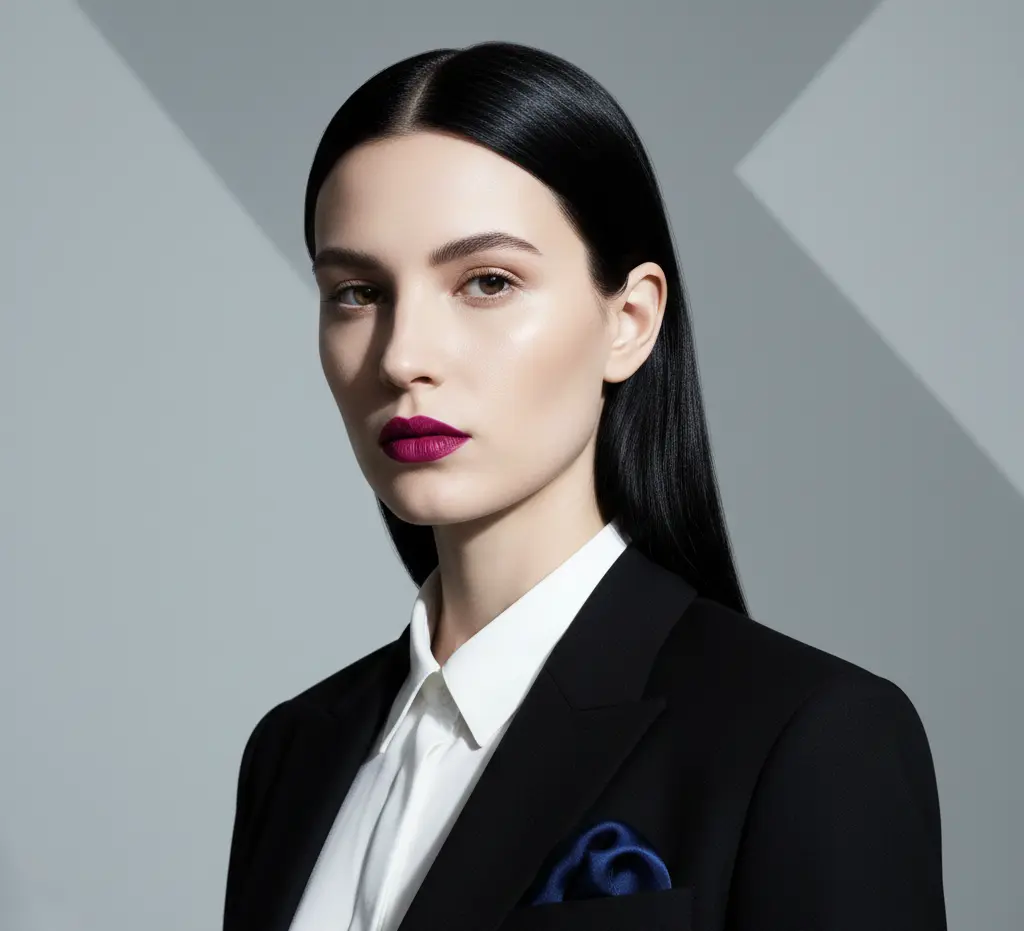
True winter is the coolest and most balanced winter subtype. Eyes often show blue undertones, such as cool blue, icy hazel, cool brown, or black. Hair is typically ashy or neutral, ranging from dark ash brown to black.
The palette is clear, saturated, and ranges from icy light to very dark. It includes stark white, jet black, and primary colors, and True Winter is the only season with black.
Neutrals:
- bright white, all shades of grey, pewter, charcoal, navy, black
Accent colors:
- lemon yellow, fuchsia, magenta, blue red, burgundy
- turquoise, blue greens, purples
Dark/Deep Winter
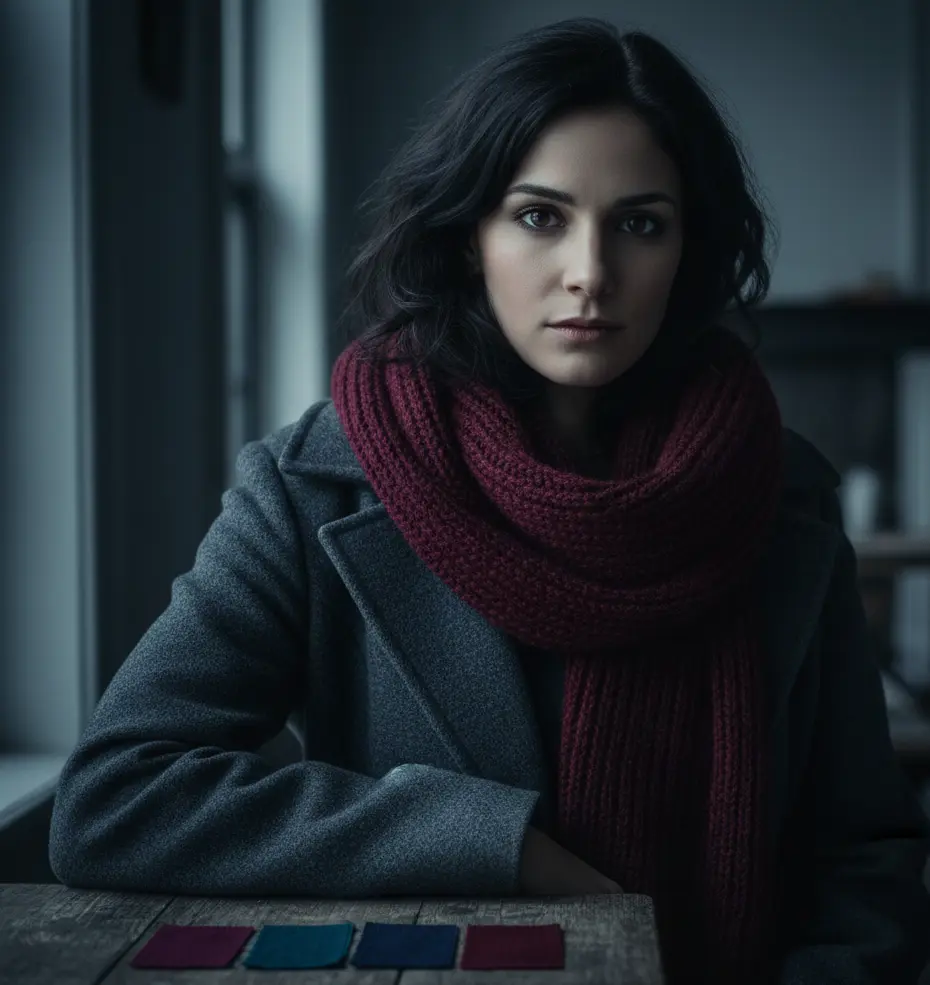
Deep winter is the darkest winter subtype, with dark eyes, dark hair, and either very light or dark skin. Eyes may be dark hazel, dark green, dark brown, or black.
It has a slight autumn influence, adding richness, but still requires cool winter colors rather than warm autumn tones.
Neutrals:
- soft white, dark greys, pewter, charcoal
- dark chocolate, navy, black
Accent colors:
- deep rose, reds, burgundy, wine, teals
- deep blues, dark greens, plum, deep purples
Comparing Winter With Other Seasons
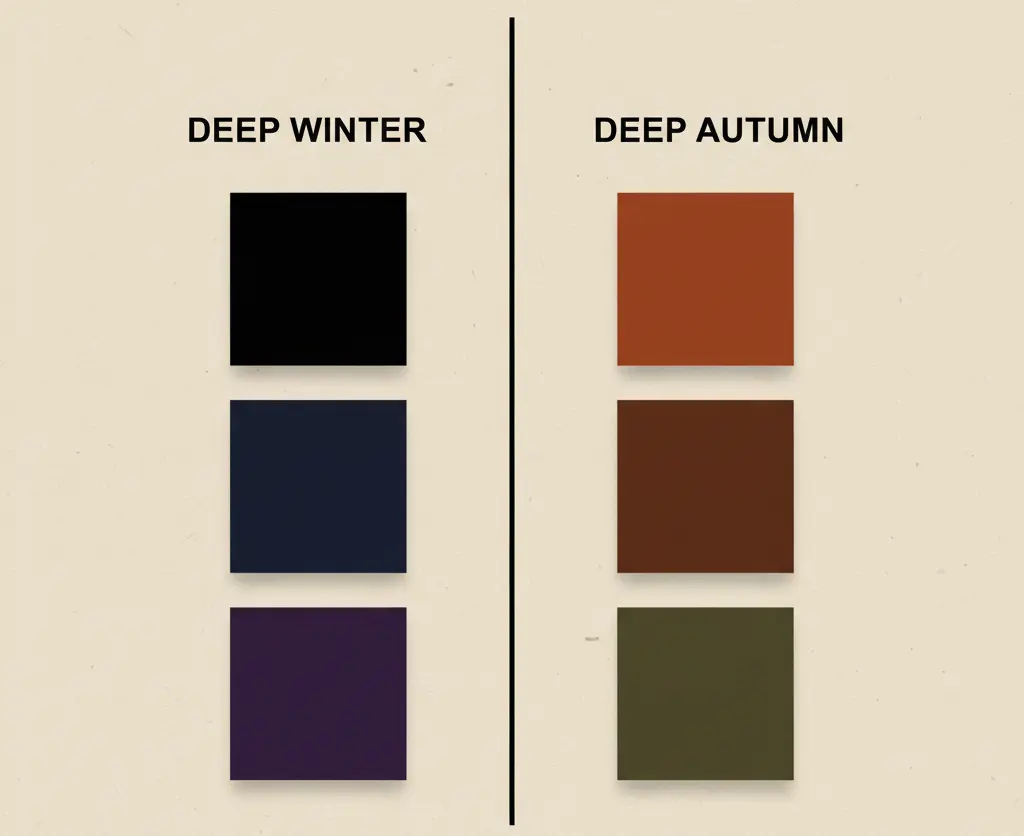
Winter vs Autumn: Winter stays cool, while Autumn is warmer and earthy.
Deep Winter vs Deep Autumn: Deep Winter needs cool dark shades, while Deep Autumn needs warm dark tones.
Winter is often compared with nearby seasons:
- Winter vs Summer: Winter colors are clearer and more intense, while Summer tones are muted.
Deep Winter vs Deep Autumn
| Deep Winter | Deep Autumn |
|---|---|
| Cool dark shades | Warm dark shades |
| Black, navy, jewel tones | Brown, rust, earthy tones |
| Crisp high contrast look | Soft warm richness |
Tip: Deep Winter stays neutral-cool, while Deep Autumn leans warm and golden.
Even if one feature differs, the palette match becomes clear once you see how the shades work together.
Winter Color Palette: Overview
Winter palettes are defined by cool undertones, strong contrast, and clear saturation. Common foundations include:
- cool grays and charcoal neutrals
- clear blues and cyans
- deeper jewel tones
- greens that stay cool rather than earthy
These combinations create a crisp, polished effect.
Winter Colors Recommendations
Winter palettes look best with icy contrast. Start with icy pinks and blues, plus clear greys and cyans.
To expand your wardrobe, add:
- intense blues
- rich Deep greens
- medium purples or light purples
- bright fuschias and soft pinks
- black, white, and dark greys
Outfit pairings:
- Bright Winter: white + fuchsia
- True Winter: navy + icy pink
- Deep Winter: charcoal + burgundy
- Cool Winter: grey + soft blue
Colors to Avoid in Winter
Soft earth tones and warm muted shades reduce Winter clarity. Avoid:
- muted yellows, warm browns, oranges
- dusty blues, pastel pinks
- golden and desaturated shades
Cooler accents always work better.
Winter Celebrities
Winter celebrities include:
- Anne Hathaway
- Lucy Liu
- Viola Davis
- Megan Fox
- Alex Wek
- Camila Mendes
- Constance Wu
- Jamie Lee Curtis
- Jameela Jamil
These celebrities show strong Winter contrast and naturally suit bold, clear Winter palettes.
Add Color to Your Wardrobe (Face-First Styling)
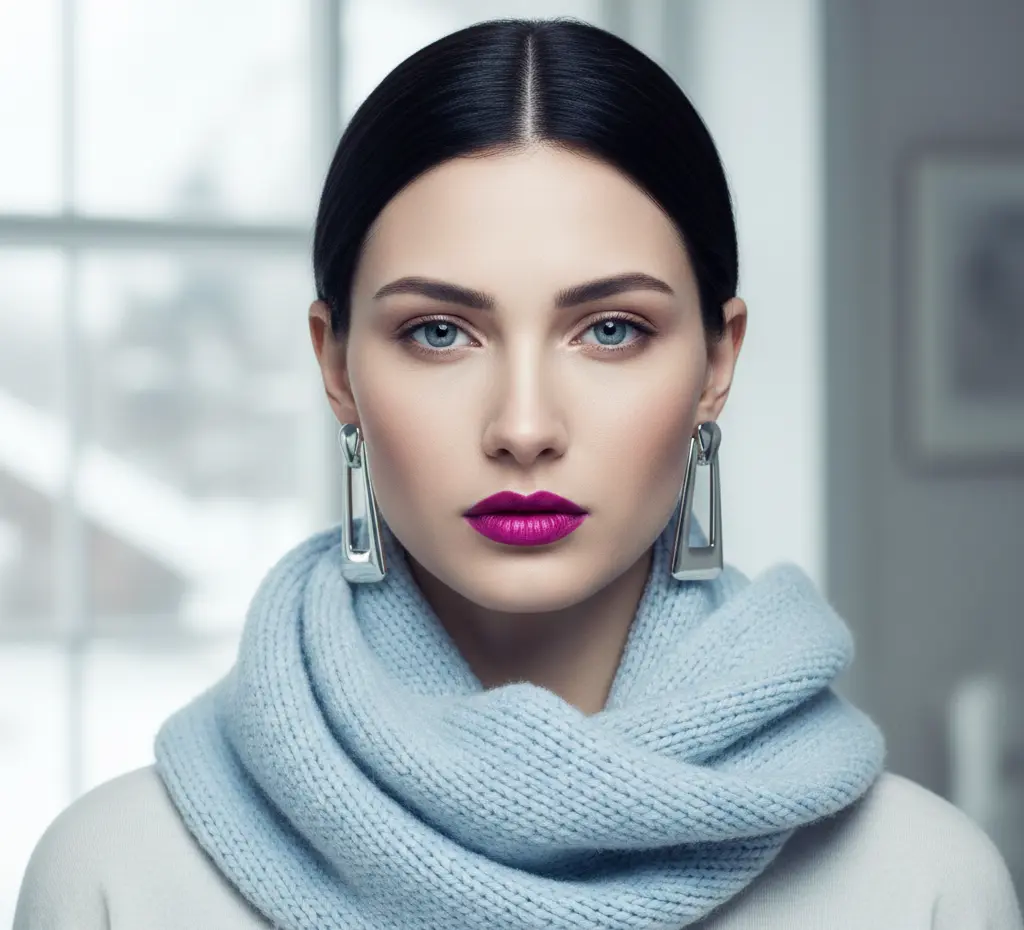
Winter styling works best when your strongest shades sit close to your face. A neck scarf, bold earrings, or cool-toned lipstick can create an instant, sharpened look.
Simple face-first choices that work well include:
- wearing an icy or jewel-toned scarf near your neckline
- choosing big earrings in cool metals or clear bold colors
- using cool-toned lipstick instead of warm nude shades
- pairing black or white near the face for strong contrast
- adding bright accents like fuchsia, turquoise, or deep blue
Winter Season Takeaway
- Winter colors are cool, clear, and high-contrast
- The four subtypes are Bright, Cool, True, and Deep Winter
- Best shades include icy lights and deep jewel tones
- Avoid warm muted earth tones that reduce clarity
Final Thoughts
In my experience, Winter stands out because of its mix of sharp contrast, cool undertones, and bold intensity. People in the Winter color season often look their best in shades that feel crisp, clear, and saturated, especially when those colors sit close to the face.
Whether you relate most to Bright Winter, Cool Winter, True Winter, or Deep Winter, the key is always the same: your palette should reflect your natural depth and clarity. Once you recognize your subtype, choosing clothing, makeup, and accent colors becomes much easier, and the overall look feels polished without effort.
Winter palettes move beautifully from icy lights to deep jewel tones, and with the right match, your features appear stronger, brighter, and more balanced.
