

If you’re here, you’re probably stuck between Soft Summer and Soft Autumn. You try soft, muted colors, and many of them look fine. Warm tones don’t look bad, but cool tones don’t look bad either. That’s where the confusion begins. I’ve seen this happen a lot with people learning color analysis. These two seasons overlap so much that simple advice like “warm vs cool” does not fully solve the problem.
The real issue is this: the wrong soft season will not look terrible, but it will make your skin look slightly dull or tired. The right season does the opposite. Your skin looks clearer, your features stand out more, and everything feels more balanced. In this guide, I will help you see the difference in a clear and practical way, so you can test it on yourself and finally decide with confidence.
The Basics of Soft Summer and Soft Autumn Color Palettes
Soft Summer and Soft Autumn are both soft seasons.
That means their colors are muted, not bright.
They also have low contrast.
Nothing looks sharp or bold.
But there is one key difference:
- Soft Summer is cool
- Soft Autumn is warm
This small shift makes a big difference.
Seasonal Characteristics
Both seasons share similar traits:
- Soft and dusty colors
- Low contrast
- No harsh shades
This is why people get confused.
But their undertone is different.
This is what separates them.
Contrast and Overall Look
Both seasons have low contrast. Nothing looks sharp or bold.
But there is a small difference:
- Soft Summer → very blended and soft
- Soft Autumn → slightly more depth and warmth
Soft Summer looks more gentle and faded.
Soft Autumn looks a bit richer.
The Key Characteristics of Soft Summer Color Palette
Soft Summer is cool and gentle.
- Cool undertone
- Light to medium depth
- Calm and airy look
These colors soften your face.
They reduce redness and harsh shadows.
The Key Characteristics of Soft Autumn Color Palette
Soft Autumn is warm and earthy.
- Warm undertone
- Medium depth
- Slightly richer look
These colors add warmth to your skin.
They make your face look more alive.
Soft Summer Color Palette
Soft Summer colors feel cool and dusty.
Examples include:
- Soft blue
- Rose pink
- Lavender
- Cool grey
These colors create a calm and smooth look.
Soft Autumn Color Palette
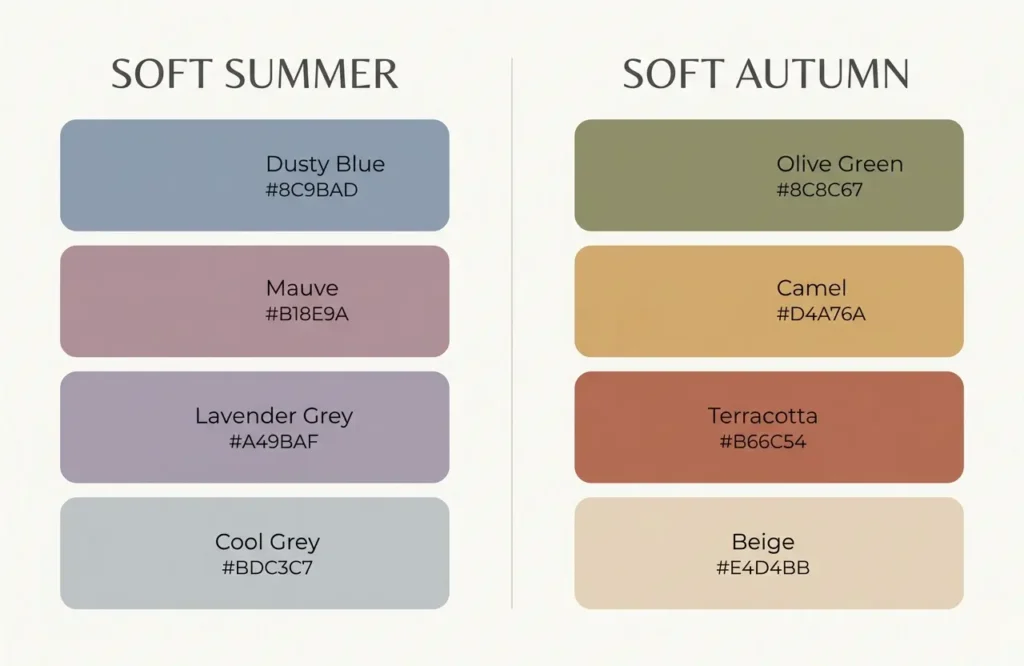
Soft Autumn colors feel warm and muted.
Examples include:
- Olive green
- Warm beige
- Terracotta
- Soft brown
These colors add warmth and depth.
Fabric and Texture Guide
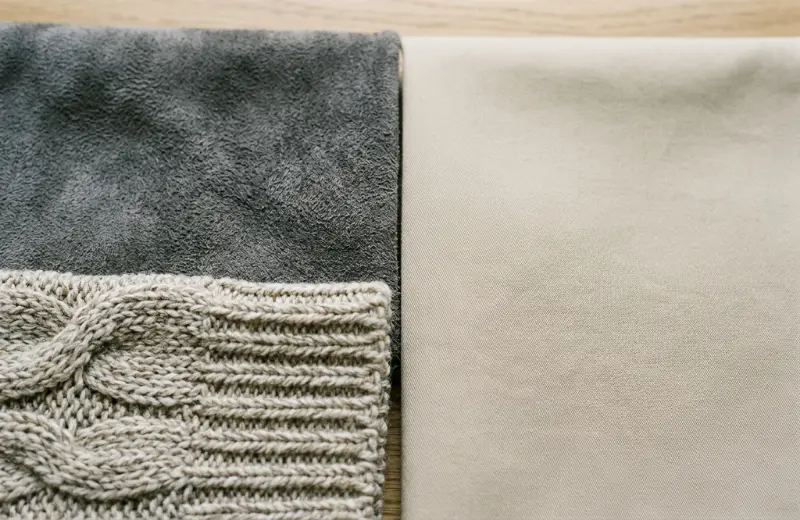
Texture changes how colors look.
Soft Autumn:
- Works well with texture
- Suede, tweed, soft knits
Soft Summer:
- Looks better in smooth fabrics
- Matte, soft, blended textures
Avoid shiny or harsh fabrics in both seasons.
What colors are included in the Soft Summer palette?
Common Soft Summer colors:
- Dusty blue
- Mauve
- Soft plum
- Cool grey
- Blue-based pink
They always feel cool and soft.
What colors are included in the Soft Autumn palette?
Common Soft Autumn colors:
- Olive green
- Warm taupe
- Peach
- Muted orange
- Camel
They always feel warm and earthy.
Best Neutrals for Each Season
Neutrals are very important for daily outfits.
Soft Summer neutrals:
- Cool grey
- Soft navy
- Taupe (cool side)
Soft Autumn neutrals:
- Warm beige
- Olive
- Camel
- Warm taupe
If cool greys suit you more, you may be Soft Summer.
If warm beige looks better, you may be Soft Autumn.
Soft Summer vs Soft Autumn
Here is the simple difference:
- Soft Summer = cool, soft, lighter
- Soft Autumn = warm, soft, slightly deeper
Both are muted.
But one leans cool, the other warm.
What are the differences between Soft Summer and Soft Autumn color palettes?
Let’s break it down:
Undertone
- Soft Summer → neutral-cool
- Soft Autumn → neutral-warm
Depth
- Soft Summer → lighter to medium
- Soft Autumn → medium depth
Effect on the face
- Soft Summer → softens and cools
- Soft Autumn → warms and adds glow
How Each Season Affects Your Face
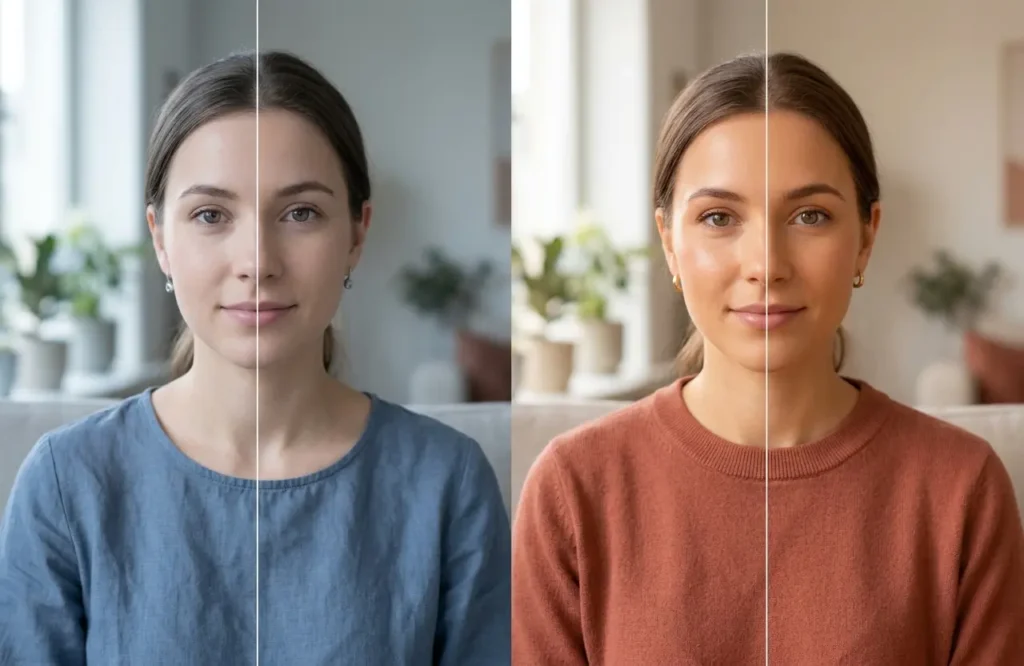
Colors do more than look nice. They change how your skin looks.
Soft Summer:
- Reduces redness
- Makes skin look smoother
- Softens shadows
Soft Autumn:
- Adds warmth to the skin
- Makes the face look more alive
- Reduces dull or grey tones
The right season will make your skin look clear and healthy.
Soft Summer vs Soft Autumn: Quick Comparison
| Feature | Soft Summer | Soft Autumn |
|---|---|---|
| Undertone | Neutral-cool | Neutral-warm |
| Overall Look | Soft and airy | Soft and earthy |
| Depth | Light to medium | Medium |
| Best Neutrals | Cool grey, soft navy | Warm beige, olive, camel |
| Jewelry | Soft silver | Antique gold |
How to Determine If You’re a Soft Summer vs Soft Autumn
This is where you decide.
You need to test how colors react with your skin.
Assess Your Skin’s Undertone
Some people are not clearly warm or cool.
They sit in the middle.
This is why both seasons may seem right.
But look closely:
- Do warm colors brighten you?
- Or do cool colors calm your face?
That is your clue.
Why Both Seasons May Work for You
Some people have neutral undertones.
This means they are not fully warm or fully cool.
That is why both seasons may look okay.
But there is still a lean:
- Neutral-warm → Soft Autumn
- Neutral-cool → Soft Summer
Focus on which colors make your skin look better, not just okay.
The Drape Test

Try this in natural light.
Hold these colors near your face:
- Soft Autumn → warm beige, olive
- Soft Summer → cool grey, dusty blue
Now check:
- Does your skin look fresh or dull?
- Do shadows increase or decrease?
The better colors will make your skin look clear.
The Lipstick Test
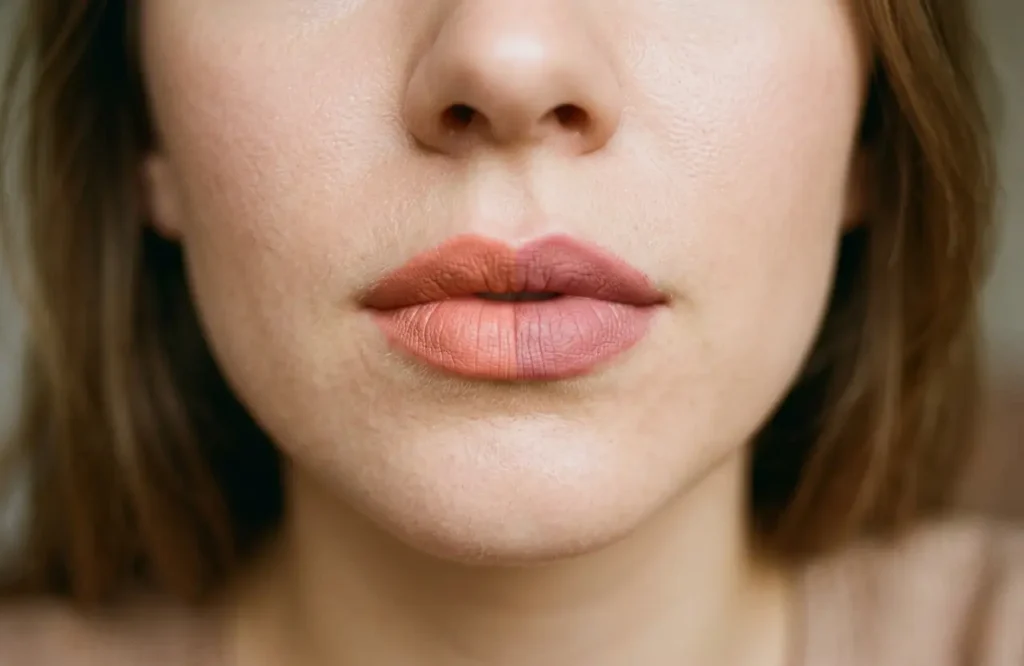
This test is quick and clear.
Try:
- Muted peach lipstick → Soft Autumn
- Muted rose lipstick → Soft Summer
Look in the mirror.
- If peach looks natural → you lean warm
- If rose looks better → you lean cool
Gold vs Silver Test
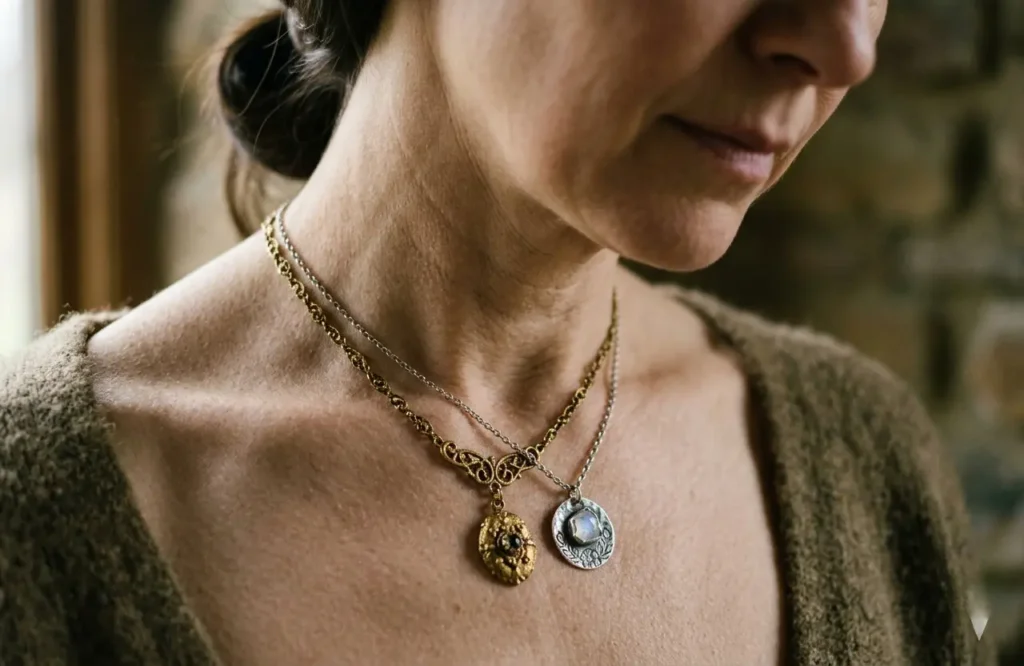
Jewelry can help you decide.
Try both in natural light:
- Soft Autumn → antique gold looks better
- Soft Summer → soft silver looks better
Avoid very shiny metals.
Muted metals work best for both seasons.
How do I know if I am a Soft Summer or Soft Autumn?
Use this simple guide:
- Warm muted colors look better → Soft Autumn
- Cool dusty colors look better → Soft Summer
If both look okay, then:
- Choose the one that makes your skin look brighter, not just okay
An In-Transition Type: What Is It?
Some people fall between seasons.
This is normal.
You may borrow colors from both.
But you still lean more toward one side.
Your best colors will always follow one direction.
What are Soft Summer and Soft Autumn color palettes?
Both are soft and muted.
But:
- Soft Summer = cool softness
- Soft Autumn = warm softness
That is the core difference.
The Best Colors for Soft Summer Clothing and Accessories
Best choices:
- Cool greys
- Soft navy
- Dusty pink
- Silver jewelry
Avoid warm yellow tones.
The Best Colors for Soft Autumn Clothing and Accessories
Best choices:
- Warm beige
- Olive green
- Soft brown
- Gold jewelry
Avoid icy or very cool tones.
Hair Color Clues
Hair tone can give useful hints.
Soft Summer:
- Ash brown
- Cool-toned hair
- No strong golden shine
Soft Autumn:
- Warm brown
- Golden or caramel tones
- Slight warmth in hair
Hair should look soft, not too bright.
Why You Feel Stuck Between Both
Many people feel both seasons work.
This happens because:
- Both are muted
- Both are low contrast
- Your undertone may be neutral
But “okay” is not “best”.
One season will always look more natural.
Common Mistakes
Avoid these mistakes:
- Thinking you are both seasons
- Choosing based on one color only
- Ignoring how your skin reacts
Always judge by your overall look.
- My best metal: Gold / Silver
- My best blush: Peach / Rose
- My best neutral: Beige / Grey
Not Sure Which Color Season You Are?
Take our free 2-minute Color Season Quiz to discover whether you are most likely a Spring, Summer, Autumn, or Winter—and explore the colors that suit you best.
Final Thoughts
After going through all the comparisons, the difference becomes easier to see. In my experience, people who feel stuck between these two seasons are usually close to neutral, which is why both seem to work. But there is always one that looks better. Instead of asking which colors are okay, focus on which ones make your skin look clearer and more alive. If warm, earthy tones bring warmth and life to your face, you are likely Soft Autumn. If cool, dusty tones make your features look calm and smooth, you are likely Soft Summer. Trust what you see in natural light. Once you find your correct season, your choices become easier, and your overall look feels more natural and confident.
