

You buy clothes in colors you like, but once you wear them, something feels off. Your skin can look dull, your face looks tired, and your makeup does not sit right. Many people think they chose the wrong outfit or need better makeup. In reality, the issue is often color choice. When colors do not match your natural features, they can make your face look flat. This leads to wasted money, closet clutter, and daily frustration while getting dressed.
Over the years of studying and applying color analysis, I have seen how the right colors change how a person looks and feels. When someone starts wearing shades that suit their natural undertone and contrast, their skin looks clearer and their face looks more balanced. They often need less makeup and feel more confident. A personal color season helps explain why this happens. It gives a clear guide for choosing colors that work with your natural features instead of against them.
Why do people search for personal color season meaning
Many people see color analysis online and feel confused. They hear words like warm, cool, bright, and soft. They want to know what these words mean for them.
A personal color season helps you choose colors that match your natural features. When you wear the right colors, your skin looks clear, and your face looks fresh. When you wear the wrong ones, your face can look dull or tired.
This is why learning your color season can make shopping and dressing easier.
Key Takeaways
- A personal color season means the colors that suit your natural features.
- Your season depends on undertone, depth, and contrast.
- Right colors make skin look clearer and more balanced.
- Wrong colors can make you look tired or dull.
- The 4 season system is basic. The 12 season system gives more detail.
- You can find strong clues using simple tests at home.
- Color seasons work for all skin tones.
The Color Seasons Explained
Color analysis puts people into four main seasons. These are spring, summer, autumn, and winter. Each season has colors that match a person’s natural features.
There is also a 12-season system. It breaks each season into three smaller groups. This helps people who sit between two seasons.
The system looks at three main things:
- warm or cool undertone
- light or dark depth
- bright or soft intensity
These traits decide which season suits you.
What decides your color season
Your season is based on three main things:
- undertone: warm or cool
- depth: light or dark
- intensity: bright or soft
These three traits work together. Skin tone alone does not decide your season. Hair, eyes, and contrast also matter.
Quick Season Guide
| Season | Main traits | Best colors | Avoid |
|---|---|---|---|
| Spring | Warm, light | Peach, coral, warm green | Cool dark gray |
| Summer | Cool, soft | Dusty blue, rose | Harsh black |
| Autumn | Warm, deep | Olive, rust | Icy tones |
| Winter | Cool, bold | Black, white, jewel tones | Muddy warm shades |
Winter
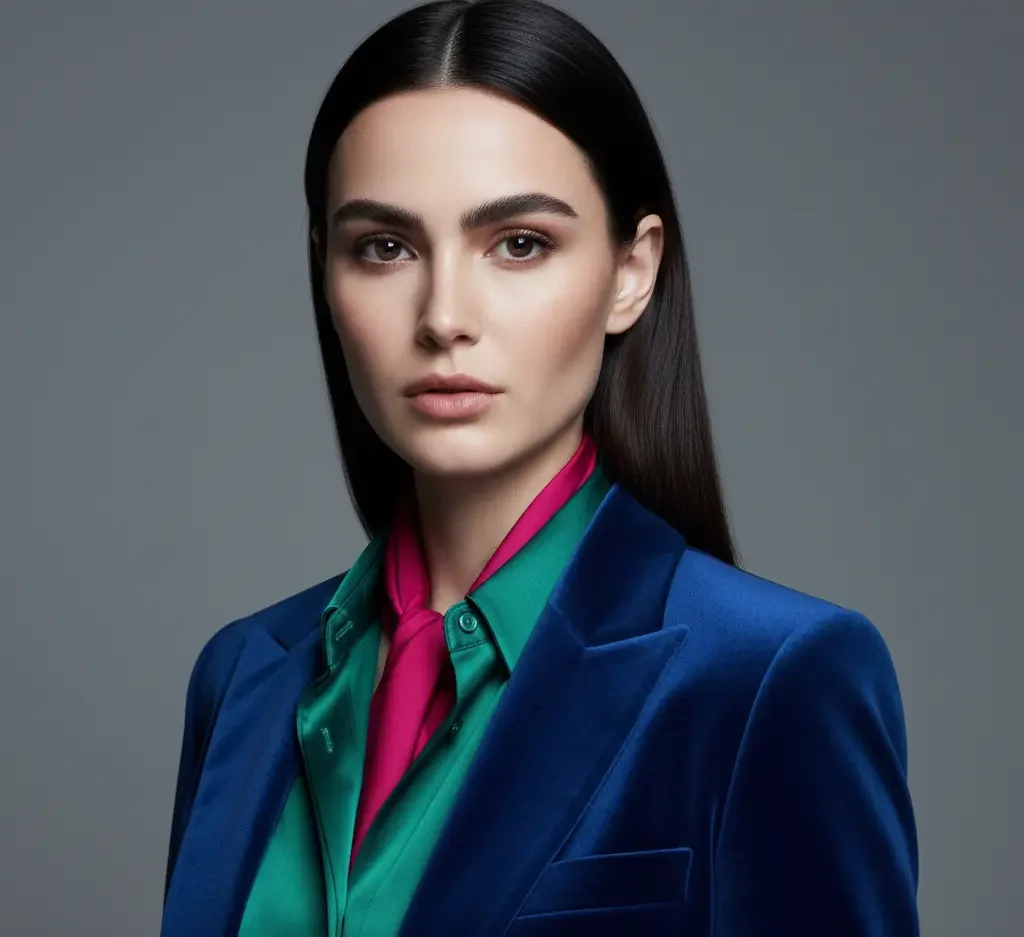
Winter colors are cool, clear, and strong. People in this group often look best in bold shades. Black, white, navy, and jewel tones work well.
Winters usually have strong contrast in their features. This means dark hair with lighter skin or bright eyes.
Dark Winter
Dark Winter sits between winter and autumn. Colors are deep and rich. Think dark burgundy, forest green, and deep navy.
Signs you may fit here:
- dark hair and strong eyes
- black looks good on you
- soft dusty colors look dull
True Winter
True Winter is fully cool. Colors are icy and clear. Blue-based red, black, and pure white look sharp.
Signs you may fit here:
- silver jewelry looks better than gold
- warm orange shades look off
- cool bright colors make your face glow
Bright Winter
Bright Winter sits between winter and spring. Colors are bold and clear. Hot pink, bright blue, and crisp white work well.
Signs you may fit here:
- you suit high contrast outfits
- dull colors wash you out
- very bright shades look natural on you
Spring

Spring colors are warm and fresh. They feel light and lively. Peach, coral, warm green, and light gold are common.
Springs often have warmth in their skin. Gold jewelry looks natural on them.
Light Spring
Light Spring sits between spring and summer. Colors are light and warm. Think peach, light coral, and soft yellow.
Signs you may fit here:
- very dark colors feel heavy
- light warm shades brighten your face
- soft gold jewelry suits you
True Spring
True Spring is fully warm. Colors are clear and sunny. Bright coral, warm green, and golden yellow work well.
Signs you may fit here:
- warm colors make your skin glow
- cool gray shades look dull
- gold jewelry looks better than silver
Bright Spring
Bright Spring sits between spring and winter. Colors are warm and bright. Clear teal, bright peach, and warm pink suit this group.
Signs you may fit here:
- you suit bright, lively colors
- dusty tones look flat
- strong contrast outfits work well
Summer

Summer colors are cool and soft. They feel calm and gentle. Think dusty blue, rose pink, and soft gray.
Summer types often look best in low contrast outfits.
Light Summer
Light Summer sits between summer and spring. Colors are light and cool. Soft pink, light blue, and cool beige work well.
Signs you may fit here:
- very dark colors feel harsh
- soft cool shades suit you
- silver jewelry looks better
True Summer
True Summer is fully cool and soft. Colors are muted and calm. Blue-gray, mauve, and soft navy work best.
Signs you may fit here:
- bright colors overpower you
- cool soft shades look balanced
- harsh black feels too strong
Soft Summer
Soft Summer sits between summer and autumn. Colors are muted and slightly warm. Dusty teal and soft rose suit this group.
Signs you may fit here:
- strong bright colors look too bold
- soft blended shades work best
- medium contrast outfits suit you
Autumn

Autumn colors are warm, deep, and earthy. Think olive, rust, mustard, and warm brown.
Autumn types often suit rich natural shades.
Dark Autumn
Dark Autumn sits between autumn and winter. Colors are deep and warm. Dark olive, deep brown, and warm burgundy work well.
Signs you may fit here:
- black feels too cold
- warm deep shades suit you
- gold jewelry looks natural
True Autumn
True Autumn is fully warm. Colors are rich and earthy. Rust, mustard, and warm green look great.
Signs you may fit here:
- cool pink looks off
- warm earthy tones look right
- gold suits you best
Soft Autumn
Soft Autumn sits between autumn and summer. Colors are warm and muted. Dusty olive and soft brown work well.
Signs you may fit here:
- bright colors feel too strong
- soft warm shades look calm
- medium contrast outfits suit you
12 Seasonal Tones
The 12-season system gives more detail. It helps people who feel stuck between two seasons. Each main season splits into three types. This gives a closer match.
Some people find the 4-season system enough. Others need the 12-season version for better accuracy. Both systems aim to find colors that suit you best.
4 season vs 12 season system
The 4-season system is the basic version. It puts people into spring, summer, autumn, or winter. This works well for many beginners.
The 12-season system gives more detail. Each season is split into three smaller groups. This helps people who feel stuck between two seasons. If you feel like you match more than one season, the 12-season system can help you find a closer match.
Both systems aim to find colors that suit your natural features.
Why Knowing Your Color Season Helps
Knowing your season saves time and money. You stop buying clothes that feel wrong. You pick makeup that blends well. Your wardrobe starts to match.
Many people notice:
- skin looks clearer
- outfits feel balanced
- shopping gets easier
How to find your color season at home
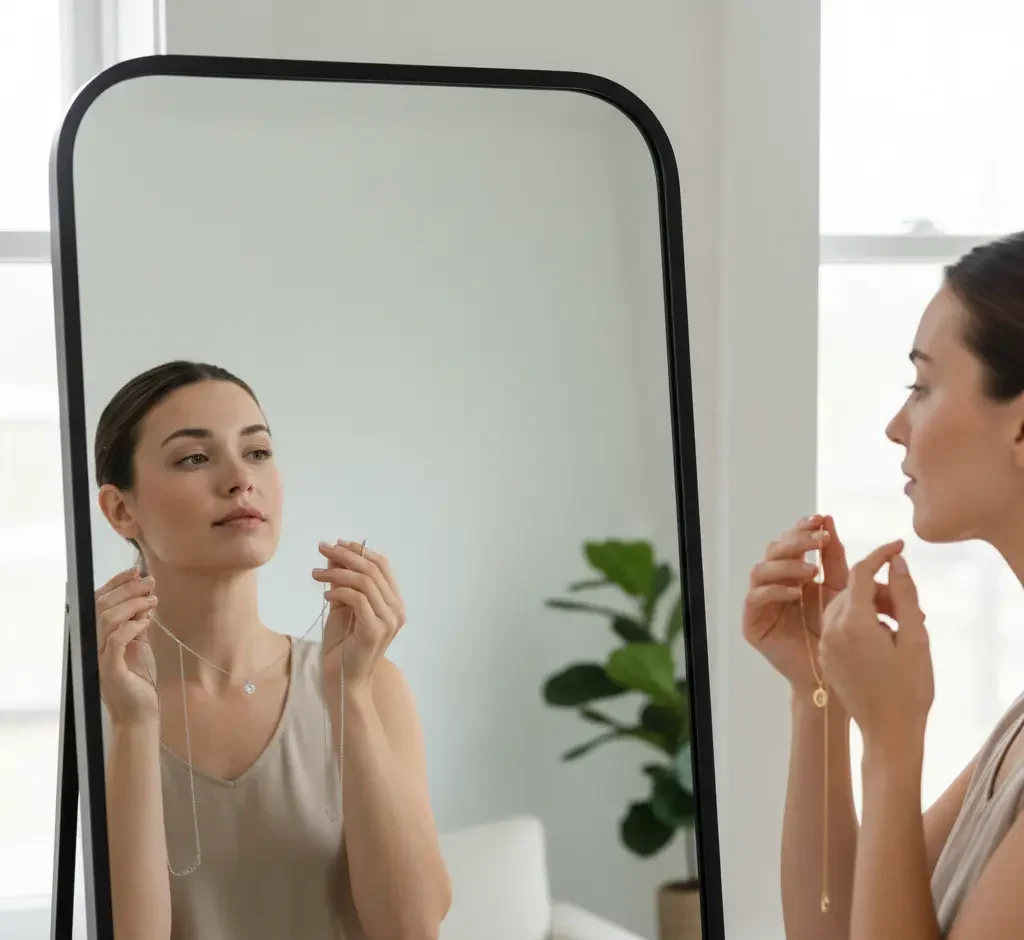
Stand near a window in natural light. Remove heavy makeup. Look at your face in a mirror and try these checks.
Jewelry test
Hold silver jewelry near your face. Then hold gold. One will make your skin look clearer. That gives a clue about warm or cool tone.
Black vs cream test
Hold black fabric near your face. Then try cream. One will make your face look brighter. This helps show your depth.
Bright vs soft test
Try a bright color like clear red. Then try a dusty color like rose. One will make your face look more alive. This helps show intensity.
These tests do not give a final answer, but they help you move closer to your season.
Warm vs Cool Quick Check
| If this looks better | You may be |
|---|---|
| Gold jewelry | Warm |
| Silver jewelry | Cool |
| Cream fabric | Warm |
| Pure white | Cool |
Bright vs Soft Check
| If this suits you | You may be |
|---|---|
| Clear bright red | Bright type |
| Dusty rose | Soft type |
| High contrast outfits | Bright |
| Blended outfits | Soft |
Common Mistakes
Some people rely only on skin tone. That can mislead them. Hair, eyes, and contrast also matter.
Many people think tan skin means a warm undertone. This is not always true. A person with deep skin can still be cool.
Another mistake is using only hair color to decide. Hair dye and lighting can change how hair looks.
Online quizzes can help, but they are not always accurate. Lighting and camera filters can change how colors appear.
Some people fit between two seasons. This is normal. The 12-season system helps in these cases.
Color seasons work for all skin tones
Color seasons are for everyone. They work on light, medium, and deep skin. They also work for olive skin and neutral undertones.
The goal is not to match one skin tone to one season. The goal is to find colors that make your face look clear and balanced.
Signs You Found Your Season
- Your skin looks clearer in certain colors
- You need less makeup
- Your face stands out before your clothes
- Dark circles look softer
- Outfits feel balanced
Not Sure Which Color Season You Are?
Take our free 2-minute Color Season Quiz to discover whether you are most likely a Spring, Summer, Autumn, or Winter—and explore the colors that suit you best.
Conclusion
From real experience with color analysis and feedback from people trying it for the first time, the biggest shift happens when someone understands which colors support their natural look. Many believe they need a full style change, but the real change starts with color. Once you know your personal color season, shopping becomes easier and outfits start to feel right. You begin to notice how certain shades brighten your face while others make it look dull.
A personal color season is not a strict rule. It is a guide based on real results and careful observation across many skin tones and features. When you use it, you work with your natural coloring instead of fighting it. Over time, this makes daily dressing simpler and helps you feel more confident in what you wear.
