


If you have ever colored your hair brown and felt like something looked wrong afterward, you are not alone. Many people choose brown because it feels safe and natural, but the wrong shade can make skin look dull, eyes less bright, and features more tired. I have seen people switch from a warm caramel brown to a cooler ash brunette and suddenly look fresher and more balanced without changing anything else. That usually happens because the shade finally matches their undertone and season correctly.
One of the biggest mistakes people make is thinking brown is just one color. In reality, brown can be warm, cool, soft, rich, golden, smoky, light, or deep. A shade that looks beautiful on one person may completely overpower someone else because their undertones, contrast, and natural coloring are different. After studying seasonal color analysis and comparing brunette shades across all four seasons, one thing becomes very clear: the right shade of brown should support your natural features instead of fighting against them. This guide will help you understand which shades of brown work best for your season, why certain browns fail, and how to avoid choosing a brunette shade that makes you look washed out or harsh.
Key Takeaways
Choosing the right shade of brown depends on your undertone, contrast, softness, and seasonal palette. Warm and cool browns can create very different effects on the face.
| Season Type | Best Brown Direction |
|---|---|
| Warm Seasons | golden brown, caramel, chestnut |
| Cool Seasons | ash brown, mushroom brown, espresso |
| Soft Seasons | muted cocoa, taupe brown, dusty brunette |
| Deep Seasons | dark chocolate, black-brown, deep mocha |
Why Brown Is Not Just One Color
Many people think brown is simple. However, brown comes in many different tones, depths, and finishes.
Some browns look:
- warm and golden
- cool and smoky
- soft and muted
- rich and deep
The right shade of brown should match your natural coloring rather than fight it.
Warm Browns
Warm browns have golden, caramel, copper, or reddish tones. These shades usually work best on warm seasons like Spring and Autumn.
Examples include:
- honey brown
- chestnut brown
- golden brown
- cinnamon brown
- caramel brown
Warm browns can make warm skin look healthy and glowing.
Cool Browns
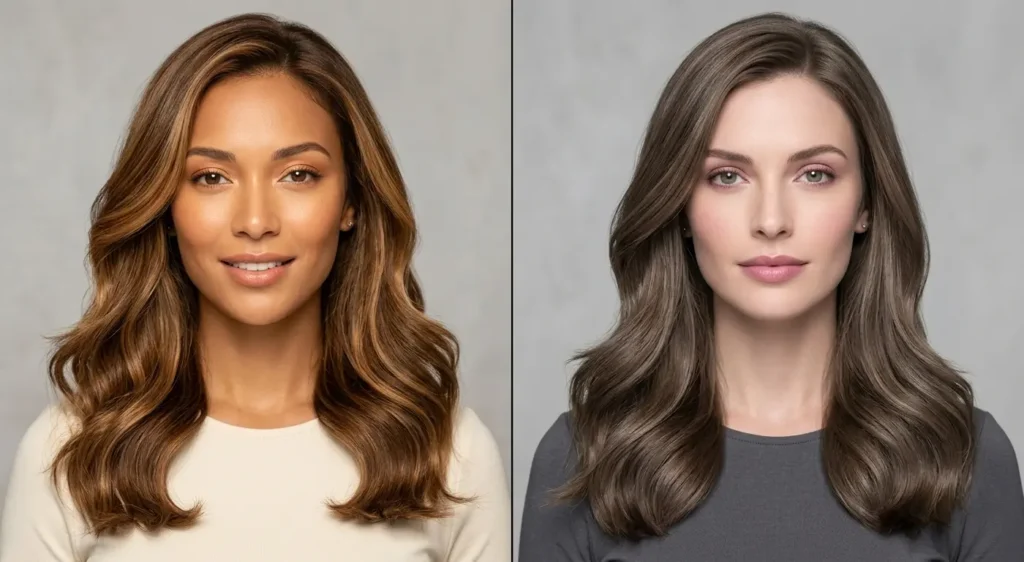
Cool browns have ash, taupe, smoky, or neutral tones. These shades usually suit Summer and Winter palettes.
Examples include:
- ash brown
- mushroom brown
- espresso brown
- cool cocoa brown
- smoky brunette
Cool browns often create a more balanced and harmonious look on cool-toned skin.
Neutral Browns
Neutral browns sit between warm and cool tones. They do not look overly golden or overly ashy. These shades usually work well for people with neutral undertones or balanced coloring.
Neutral browns can feel softer than warm caramel shades and less smoky than cool ash browns.
Examples include:
- neutral mocha
- balanced cocoa brown
- soft neutral brunette
- medium neutral brown
These shades often work best for:
- Soft Autumn
- Soft Summer
- some Winters
- neutral-toned Springs
Light Browns
Light browns feel softer and lighter on the face. These shades usually flatter Springs, Light Summers, and some Soft Autumn palettes.
Examples include:
- light caramel
- beige brown
- honey brunette
- soft golden brown
These shades often create a softer and fresher appearance.
Deep Browns
Deep browns create stronger contrast. They look richer and more dramatic.
Examples include:
- dark chocolate brown
- espresso
- deep mocha
- black-brown
These shades usually suit Deep Autumns and Winters.
Soft Browns vs Rich Browns
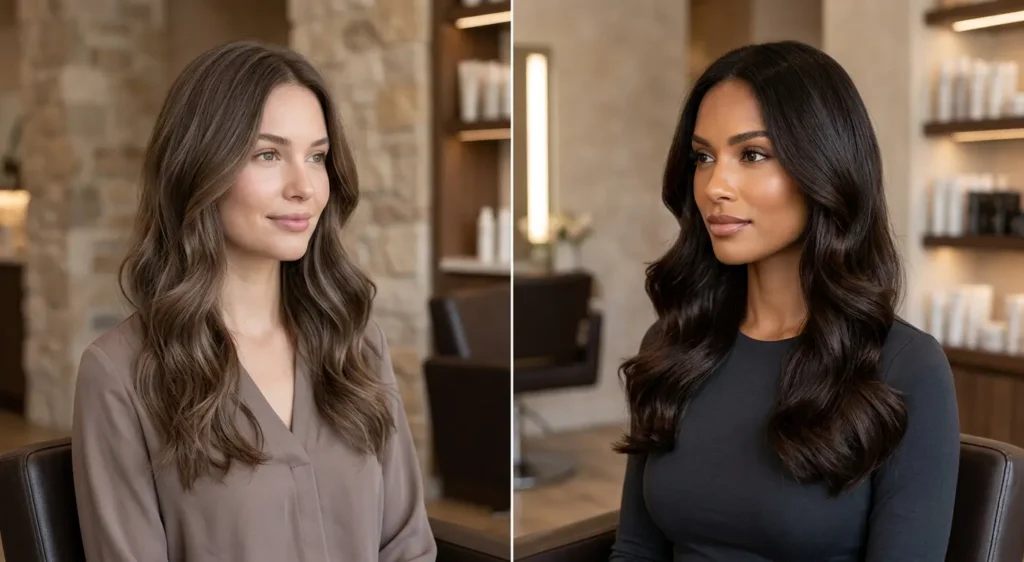
This is one area many people ignore.
Soft browns look muted and dusty, while rich browns look bold and saturated.
Soft Browns
Soft browns work best for low-contrast seasons like:
- Soft Autumn
- Soft Summer
Examples:
- muted cocoa
- taupe brown
- dusty mushroom brown
Rich Browns
Rich browns work best for high-contrast or deeper seasons like:
- Deep Winter
- Deep Autumn
Examples:
- espresso
- dark chocolate
- rich chestnut
Choosing the wrong intensity can make your features disappear or look too harsh.
How to Choose the Right Shade of Brown for Your Season
The best brown shade should match your natural coloring. Here are the three main things to look at.
Undertone
Your undertone is either:
- warm
- cool
- neutral
Warm Undertones
Warm undertones usually suit:
- golden browns
- caramel tones
- cinnamon shades
Cool Undertones
Cool undertones usually suit:
- ash browns
- smoky browns
- neutral espresso tones
If your brown shade fights your undertone, your skin may look dull or uneven.
Depth
Depth means how light or dark your natural coloring is.
Light Depth
Lighter seasons usually look better in:
- soft caramel
- beige brown
- honey brown
Deep Depth
Deeper seasons usually suit:
- dark chocolate
- espresso
- mocha brown
A brown that is too dark can overpower soft features.
Contrast
Contrast means the difference between your skin, eyes, and hair.
Low Contrast
Low-contrast people usually suit softer browns.
Examples:
- mushroom brown
- muted cocoa
- soft chestnut
High Contrast
High-contrast people usually look stronger in richer browns.
Examples:
- espresso
- dark ash brown
- deep mocha
Quick Guide to Finding Your Best Brown
| If You Have… | Try… |
|---|---|
| Cool undertones | ash brown, mushroom brown |
| Warm undertones | caramel brown, golden chestnut |
| Low contrast features | soft cocoa, muted taupe |
| High contrast features | espresso, deep mocha |
| Light coloring | honey brown, beige brown |
| Deep coloring | dark chocolate, black-brown |
Brown for Spring
Spring seasons usually look best in warm, fresh, and bright browns. However, very cool or smoky browns can make Spring skin look flat.
Light Spring Browns
Best shades:
- light honey brown
- warm beige brown
- soft golden brown
Avoid:
- dark espresso
- smoky ash brown
Warm Spring Browns
Best shades:
- caramel brown
- golden chestnut
- warm cinnamon brown
These shades bring warmth and brightness to the face.
Bright Spring Browns
Best shades:
- rich golden brown
- clear warm brunette
- glossy caramel brown
Avoid muddy or muted browns.
Brown for Summer
Summer seasons usually look best in cool and muted browns. Warm orange-based browns can feel too strong.
Light Summer Browns
Best shades:
- soft ash brown
- beige ash brunette
- cool light brown
These shades keep the face soft and balanced.
Cool Summer Browns
Best shades:
- mushroom brown
- smoky cocoa
- medium ash brown
Avoid:
- copper brown
- golden caramel shades
Soft Summer Browns
Best shades:
- dusty taupe brown
- muted cocoa brown
- soft mushroom brunette
These shades match the gentle softness of Soft Summer coloring.
Brown for Autumn
Autumn seasons usually look best in rich, earthy, and warm browns. This is one of the strongest seasons for brunette shades.
Soft Autumn Browns
Best shades:
- warm taupe brown
- muted chestnut
- soft cocoa brown
Avoid:
- icy ash brown
- blue-black tones
True Autumn Browns
Best shades:
- cinnamon brown
- chestnut brown
- maple brown
These shades feel rich and naturally warm.
Deep Autumn Browns
Best shades:
- dark chocolate brown
- espresso with warmth
- deep chestnut
These shades support deeper and richer coloring.
Golden Browns
Golden browns work especially well on warm Autumn palettes.
Examples:
- honey chestnut
- amber brown
- golden caramel
These shades create warmth and glow.
Earthy Browns
Earthy browns feel natural and grounded.
Examples:
- cocoa brown
- warm mocha
- coffee brown
These shades flatter muted Autumn palettes.
Chocolate Browns
Chocolate browns can work across many seasons when the undertone, depth, and softness are matched correctly.
Cool chocolate browns suit Summers and Winters, while warm chocolate browns suit Springs and Autumns.
Brown for Winter
Winter seasons usually look best in cool, rich, and deeper browns. Very warm browns may look muddy on Winters.
Bright Winter Browns
Best shades:
- rich espresso
- glossy dark brown
- neutral dark brunette
These shades keep contrast strong and clear.
Cool Winter Browns
Best shades:
- ash espresso
- cool dark mocha
- smoky dark brown
Avoid warm copper browns.
Deep Winter Browns
Best shades:
- black-brown
- deep espresso
- dark cocoa
These shades match the dramatic contrast of Deep Winter coloring.
Brown Shades That Enhance Eye Color
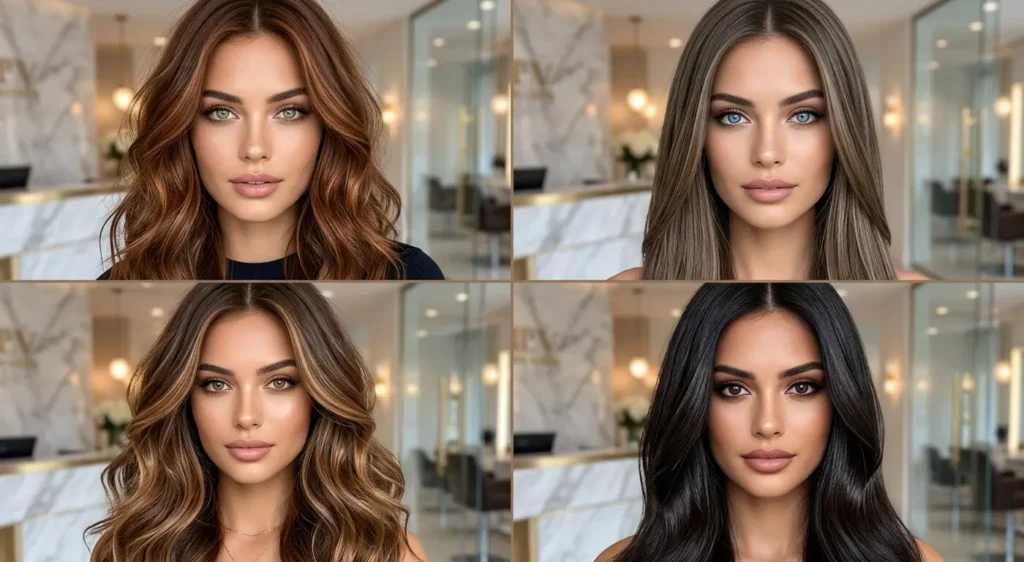
The right brown can make your eyes stand out more clearly.
Brown Shades for Green Eyes
Best shades:
- warm chestnut
- cinnamon brown
- golden cocoa brown
These shades can make green eyes appear brighter and warmer.
Brown Shades for Blue Eyes
Best shades:
- ash brown
- cool mocha
- smoky brunette
Cool-toned browns often create stronger contrast with blue eyes.
Brown Shades for Hazel Eyes
Best shades:
- caramel brown
- honey brown
- golden brunette
These shades can bring out both green and brown tones in hazel eyes.
Brown Shades for Dark Brown Eyes
Best shades:
- espresso brown
- dark chocolate brown
- rich mocha brown
Deeper browns usually create a balanced and polished look.
How to Know a Brown Shade Is Wrong for You
The wrong brown can change your whole appearance.
Signs your brown shade may not suit you:
- skin looks gray
- dark circles appear stronger
- redness becomes more visible
- eyes lose brightness
- lips disappear
- hair overpowers your face
A flattering brown should make your skin look clearer and your features more balanced.
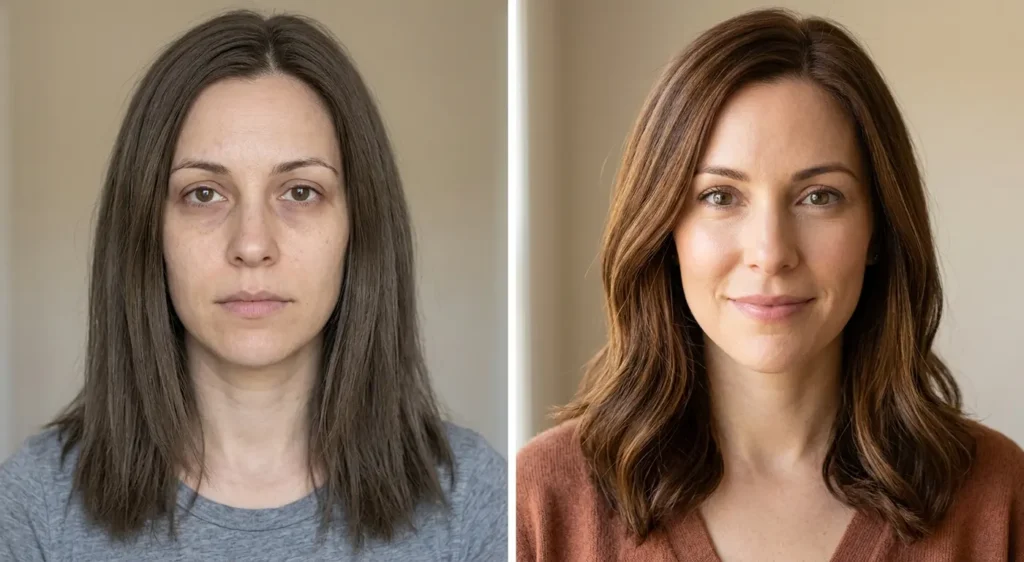
Wrong Brown vs Right Brown Effects
| Wrong Brown Effect | Right Brown Effect |
|---|---|
| Skin looks dull or gray | Skin appears clearer and healthier |
| Eyes lose brightness | Eyes look brighter and more defined |
| Features feel harsh or heavy | Features appear balanced and softer |
| Redness becomes more visible | Complexion looks smoother and calmer |
Best Brown Shades for Every Season
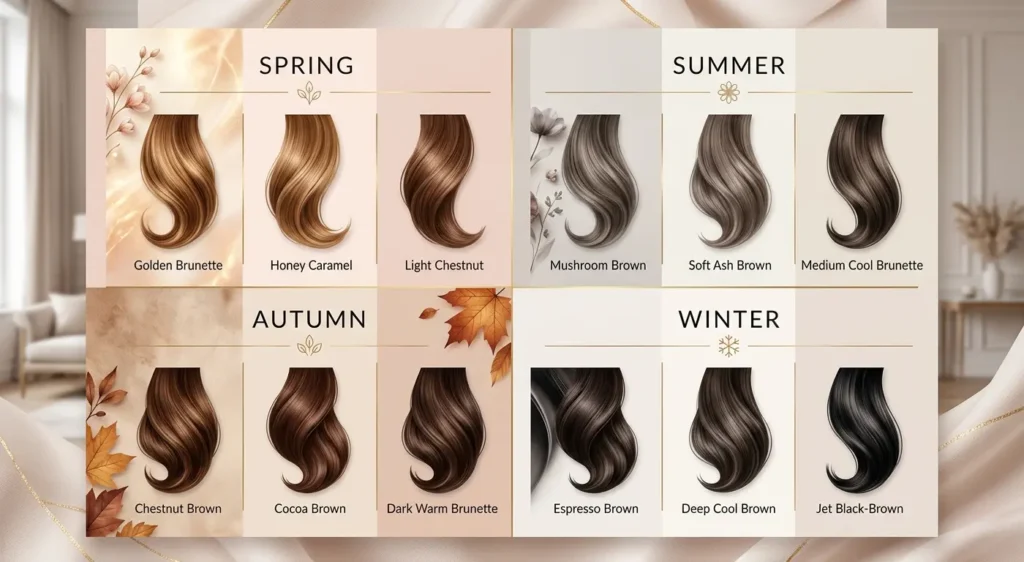
| Season | Best Brown Shades | Avoid |
|---|---|---|
| Light Spring | honey brown, warm beige | icy ash brown |
| Warm Spring | caramel brown, golden chestnut | smoky brown |
| Bright Spring | rich golden brown | muted taupe |
| Light Summer | soft ash brown | orange brown |
| Cool Summer | mushroom brown | warm copper |
| Soft Summer | dusty cocoa | rich espresso |
| Soft Autumn | muted chestnut | icy brunette |
| True Autumn | cinnamon brown | cool ash brown |
| Deep Autumn | dark chocolate | pale ash brown |
| Bright Winter | glossy espresso | muddy browns |
| Cool Winter | smoky dark brown | golden brown |
| Deep Winter | black-brown | soft warm browns |
Common Mistakes When Choosing Brown Shades
Ignoring Undertones
A beautiful brown can still look wrong if the undertone clashes with your skin.
Choosing Trends Over Harmony
Trendy shades do not work on everyone. Instead, the best brown is the one that fits your natural coloring.
Going Too Dark
Very dark browns can overpower lighter seasons.
Ignoring Softness
Muted seasons usually struggle with bold saturated browns, while high-contrast seasons may look dull in overly soft browns.
How to Ask Your Stylist for the Right Brown
Sometimes the brown shade looks different in real life than it does in inspiration photos. Knowing how to explain your desired tone can help you get better salon results.
You can ask for:
- ash-based brunette for cooler results
- golden brown for added warmth
- muted brown for softer contrast
- rich espresso for deeper definition
- neutral brown for a balanced finish
It also helps to mention:
- your undertone
- your season
- whether you want a soft or rich look
Clear communication can prevent brown hair from turning too orange, too dark, or too flat.
Brown Shade Glossary
Brown hair shades can sound confusing because many names describe different undertones, softness levels, and depth. This quick glossary makes the most common brunette shades easier to understand.
| Brown Shade | Description |
|---|---|
| Ash Brown | A cool smoky brown with gray undertones |
| Mushroom Brown | A muted taupe-brown with soft cool tones |
| Chestnut Brown | A warm brown with soft reddish warmth |
| Espresso Brown | A deep dark brunette with cool richness |
| Caramel Brown | A warm golden brown with honey tones |
| Cocoa Brown | A balanced medium brown that can lean warm or cool |
Frequently Asked Questions – FAQ
What Is the Most Flattering Brown Hair Color for My Skin Tone?
How Do I Know if I Need Warm Brown or Cool Brown Hair?
What Is the Difference Between Ash Brown and Mushroom Brown?
Why Does Brown Hair Sometimes Make Me Look Tired?
Does Natural Hair Color Determine Your Season?
Final Thoughts
After comparing seasonal palettes, brunette undertones, and real-world color harmony examples, one thing stands out clearly: choosing the right shade of brown is less about trends and more about balance. A brown that matches your undertone, depth, softness, and contrast will almost always look more flattering than a trendy shade that fights your natural coloring.
I have noticed that many people blame themselves when a brown hair color looks wrong, even though the real issue is usually the tone itself. A Soft Summer may feel overwhelmed by dark chocolate brown, while a Deep Winter may look flat in soft caramel shades. The most flattering brunette shades usually make skin look clearer, features more defined, and the overall appearance more balanced without needing heavy makeup or extra styling. Once you understand how warmth, coolness, depth, and softness affect brown hair, choosing the right brunette shade becomes much easier and far less frustrating.

