

I used to think my skin was warm because it looked yellow in photos. So I kept buying warm foundation. Every time, my face looked orange. Then I tried cool shades and my skin looked dull and grey. Nothing matched, and it felt like wasted money. Many people go through this same cycle. Your skin may look pink, red, or golden on the surface, but that surface color is not always your true undertone. This is where the confusion between undertone and overtone begins.
After years of testing shades on real faces and studying color analysis, one pattern keeps showing up. People trust what they see on the surface, but the base color under the skin tells a different story. I have worked with people who had red skin but warm undertones, and others who looked yellow but were cool. Once they understood the difference, foundation started to match and clothing colors made more sense. This guide is built from those real experiences and tested methods, so you can find clear answers without guessing.
Quick Takeaways
- Overtone is the surface color you see and it can change.
- Undertone is the base color under skin and it stays steady.
- Match foundation to undertone first, then depth.
- Always test shades in natural daylight.
- If tests clash, trust fabric draping and jawline testing.
What Is Overtone?
Overtone is the color you see on the surface of your skin.
It can be light, medium, dark, tan, pink, red, or olive.
Overtone can change.
Sun, acne, and skin care can affect it.
You may look more golden in summer and more pale in winter.
That is normal.
Your overtone can shift over time.
What Is Undertone?
Undertone is the base color under your skin.
It stays the same.
Most people fall into one of these groups:
- warm undertone
- cool undertone
- neutral undertone
- olive undertone
Undertone does not change with tanning.
Even if your skin gets darker, your undertone stays the same.
Undertone vs Overtone: The Key Difference
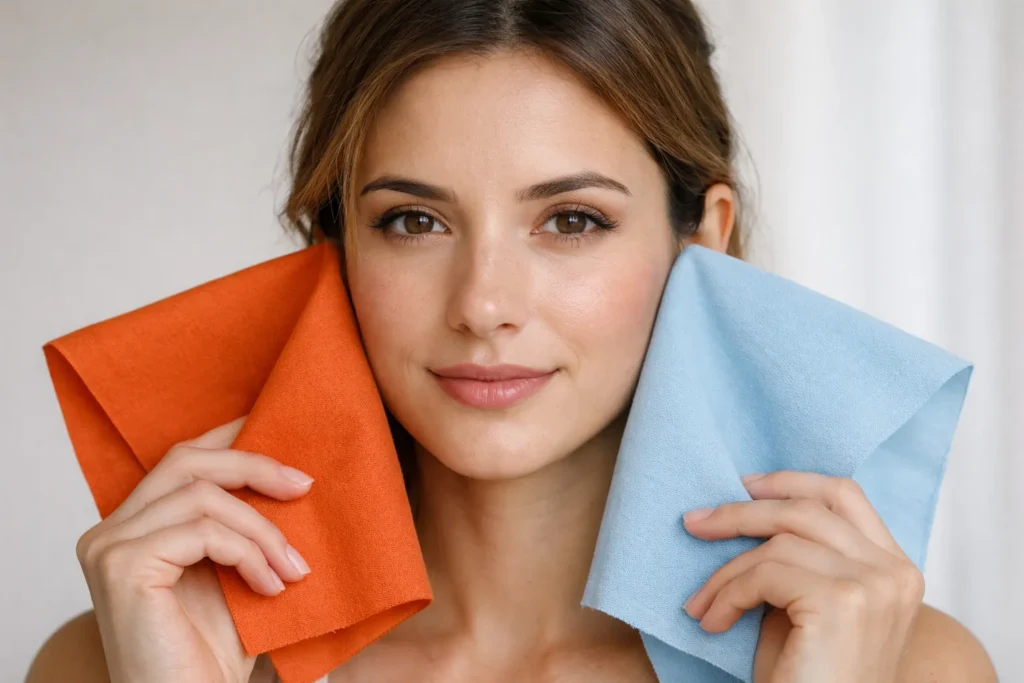
Here is the simple rule:
Overtone is what you see first.
Undertone is what stays steady.
You can have a warm overtone and a cool undertone.
You can have redness on the skin but still be warm.
Also you can look yellow but still be cool.
This is why people get confused.
- Side-by-side undertone vs overtone example
- Warm overtone with cool undertone example
- Olive skin example
- Foundation mismatch example
- Fabric draping example
Comparison Table: Skin Tone vs Undertone vs Overtone
| Feature | Skin Tone | Overtone | Undertone |
|---|---|---|---|
| What it is | Depth of skin from light to deep | Surface color you see | Base color under skin |
| Can it change | Yes | Yes | No |
| Affected by sun | Yes | Yes | No |
| Used for foundation depth | Yes | Yes | Yes |
| Used for color harmony | Sometimes | Sometimes | Yes |
| Most important for clothing | No | No | Yes |
This table clears up common mix-ups.
Why People Get Mixed Results
Many online tests give different answers.
That happens because they look at overtone, not undertone.
Common issues:
- redness from acne
- sun tan
- uneven skin tone
- bright indoor lighting
- phone camera filters
These can hide your real undertone.
When Tests Give Mixed Results
You may try different tests and get different answers.
This is normal.
Examples:
- veins look blue but gold jewelry works
- skin looks yellow but cool colors suit you
- foundation looks orange and pink
If tests clash, trust these more:
- fabric draping near the face
- foundation match at the jawline
- natural daylight check
Use more than one method before deciding.
How to Find Your Undertone
Use more than one test.
Jewelry test
Gold looks better on warm undertone.
Silver looks better on cool undertone.
Both look fine on neutral.
Fabric drape test
Hold warm and cool colors near your face.
Look at your skin, not the fabric.
If your skin looks clear and bright, that color matches your undertone.
Foundation test
Test shades on your jawline.
The best match melts into the skin.
If foundation turns orange, the undertone is wrong.
If it looks grey, it is also wrong.
Quick Decision Guide
- Foundation looks orange → try a cooler undertone.
- Foundation looks pink → try a warmer undertone.
- Foundation looks grey → test neutral or olive.
- Skin looks dull in some colors → wrong undertone.
- Skin looks clear and bright → correct undertone.
When Overtone and Undertone Look Opposite
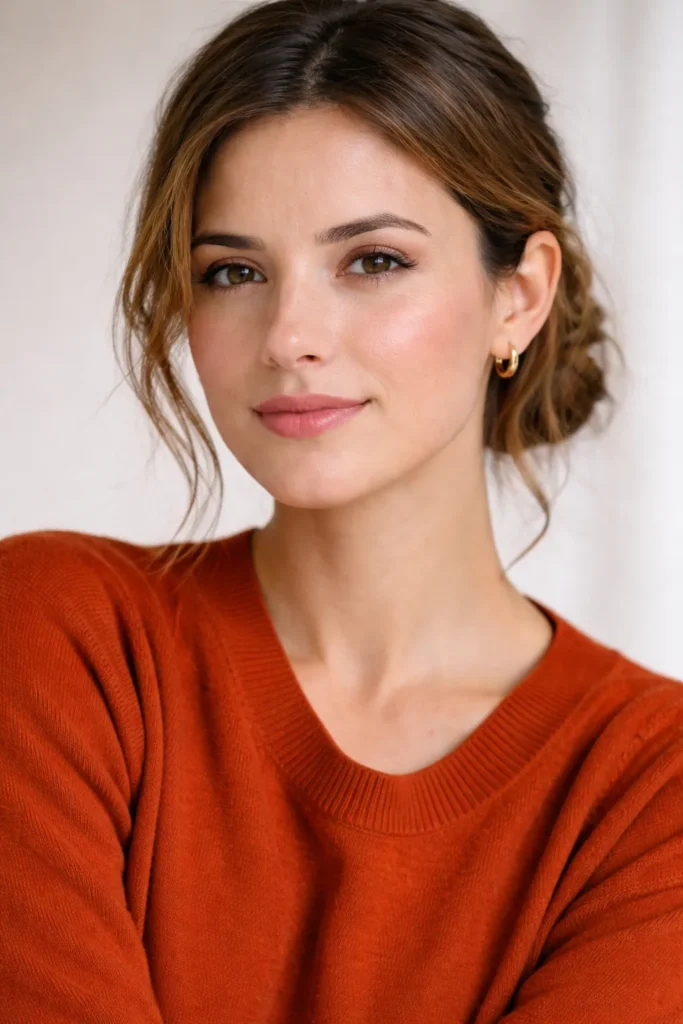
This is very common.
Examples:
- pink skin with warm undertone
- yellow skin with cool undertone
- olive surface but neutral base
Do not trust surface color alone.
Olive Undertone vs Overtone
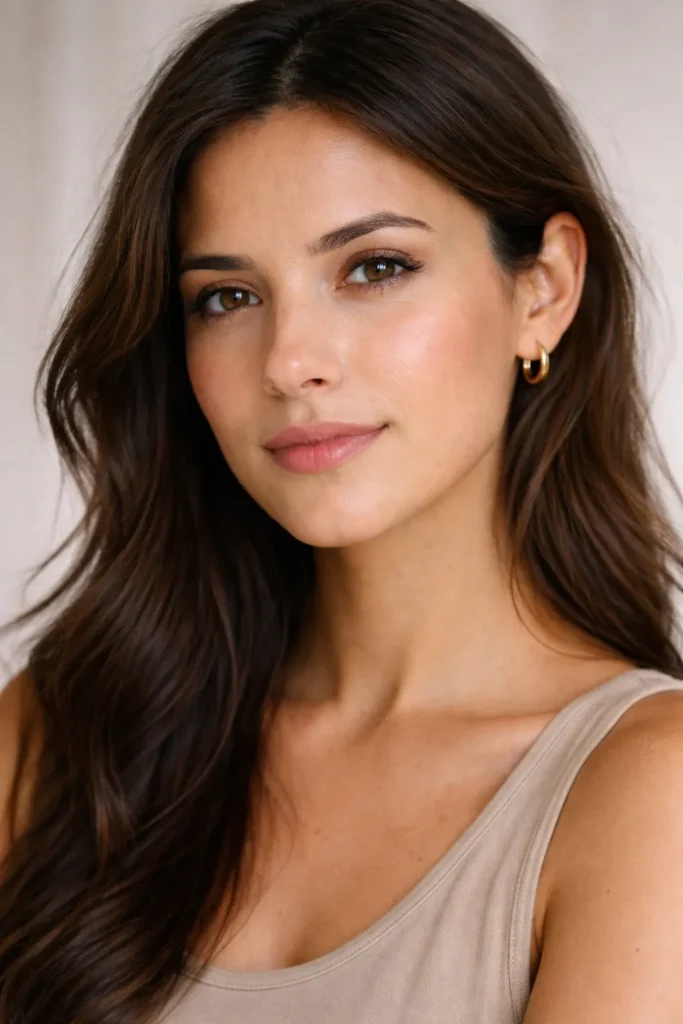
It confuses many people.
Olive overtone can look:
- green
- grey
- muted
- yellow
But the undertone may still be warm olive, cool olive, or neutral olive.
- foundation looks too orange
- cool shades look too pink
- neutral shades work better
- skin looks slightly green or grey
Jewelry tests often fail for olive skin.
Fabric draping works better.
Undertone and Overtone in Color Analysis
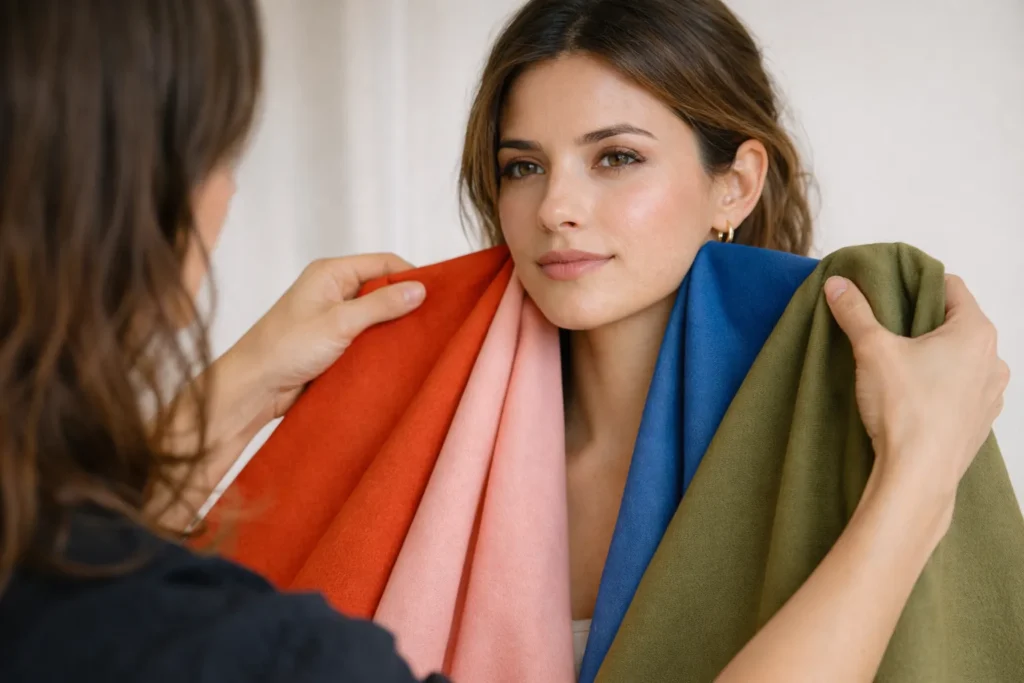
Color analysis focuses on undertone more than overtone.
Overtone can change with sun, acne, or lighting.
Undertone stays steady.
Stylists use fabric draping because it shows true undertone.
When colors match your undertone:
- skin looks clearer
- eyes look brighter
- shadows reduce
If color analysis feels confusing, overtone is often the reason.
How This Affects Foundation
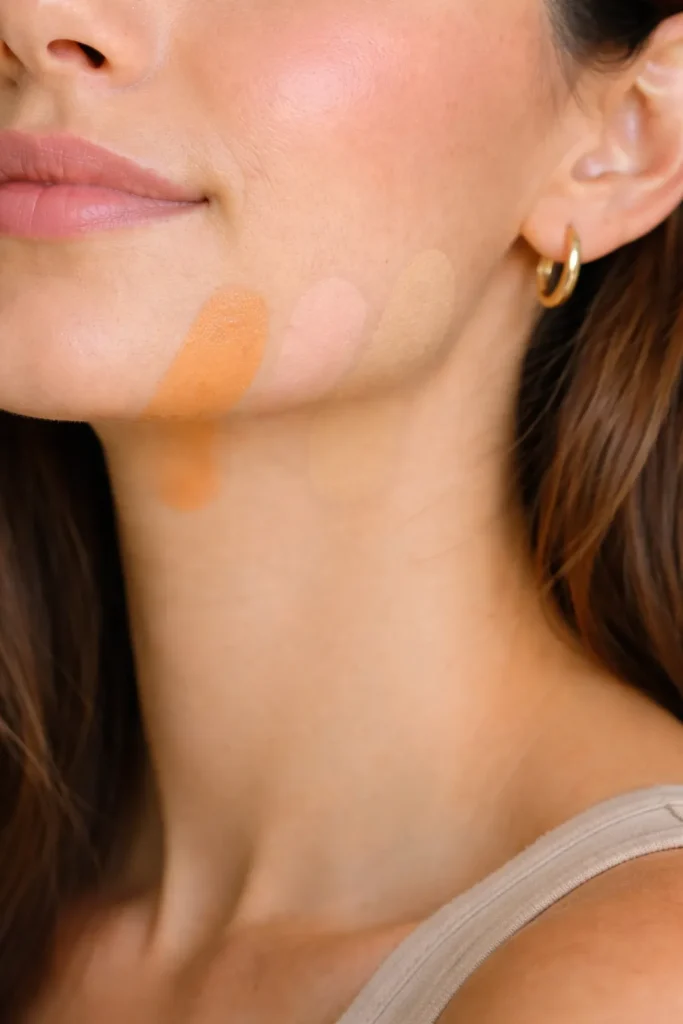
Foundation must match your undertone first.
Then it should match your overtone depth.
If undertone is wrong:
- skin looks dull
- face looks orange
- makeup looks fake
Always test in natural light.
Store lighting can trick you.
Foundation Match Troubleshooting
| Problem | Likely Cause | Fix |
|---|---|---|
| Looks orange | Too warm | Try cool or neutral |
| Looks pink | Too cool | Try warm |
| Looks grey | Wrong undertone | Test neutral or olive |
| Neck mismatch | Wrong depth | Adjust shade level |
Why Foundation Looks Different on Face and Neck
Your face may have more redness.
Your neck often shows true undertone.
Test foundation on the jawline.
Blend into the neck.
If it disappears into both areas, the match is correct.
How This Affects Clothing Colors
Undertone helps you pick better clothing colors.
Warm undertone:
- cream
- olive
- coral
- warm beige
Cool undertone:
- berry
- navy
- icy blue
- grey
Neutral undertone:
- many colors work
- avoid extreme warm or cool tones
When colors match your undertone, your skin looks clearer.
Best Colors by Undertone
| Undertone | Best Neutrals | Avoid |
|---|---|---|
| Warm | Cream, camel, olive | Icy white, blue grey |
| Cool | Navy, charcoal, berry | Orange, mustard |
| Neutral | Soft white, taupe | Very warm or very cool tones |
| Olive | Muted tones, soft navy | Bright orange, icy pink |
Lighting and Camera Mistakes
Indoor lights can shift how skin looks.
Warm bulbs add yellow.
Cool lights add pink.
Phone cameras also change color.
Always check in natural daylight.
Common Myths
Veins must be blue for cool undertone
Not always.
Red skin means cool undertone
Redness can sit on warm skin.
Tanning changes undertone
Tan changes overtone only.
Quick Decision Guide
- Test foundation on jawline
- Check in daylight
- Try warm and cool fabric
- Pick the option that makes skin look clear
If both work, you may be neutral.
If many shades look muted, you may be olive.
Common Mistakes
- Relying only on the vein test
- Testing foundation in store lighting
- Matching foundation to face redness
- Skipping jawline testing
Not Sure Which Color Season You Are?
Take our free 2-minute Color Season Quiz to discover whether you are most likely a Spring, Summer, Autumn, or Winter—and explore the colors that suit you best.
Conclusion
Once you understand undertone and overtone, many things click into place. Makeup starts to blend better. Clothing colors feel easier to choose. Shopping becomes less stressful.
From years of testing and color work, one lesson stands out. Surface color can trick you. Undertone gives the real answer. When someone finally finds their true undertone, they often say the same thing. They wish they knew this earlier.
If your results have always felt mixed, do not worry. That is normal. Use natural light. Compare shades on your jawline. Watch how your skin reacts to different colors. Small tests bring clear answers over time.
You do not need dozens of products. You need the right base match and the right color direction. Once those are clear, your choices get simpler and more consistent.
