Close Menu
  • Home
  • Color Theory Basics
  • Seasonal Color Analysis
  • MORE
    • Autumn Color Seasons
    • Summer Color Seasons
    • Winter Color Seasons
    • Spring Color Seasons
    • Hair Color by Undertone
    • Hair Color by Season
    • Hair Color Families
    • Celebrity Color Analysis
  • News
    • Beauty & Hair Trends
    • Celebrity Fashion
    • Designer & Brand News
    • Fashion Events & Shows
    • Fashion Industry News
    • Fashion Trends
    • Street Style & Everyday Fashion
  • Free Color Season Quiz
What's Hot

Milan Fashion Week Womenswear Schedule: CNMI Provisional Calendar

July 27, 2026

What is the 3-3-3 rule for outfits?

July 27, 2026

Sherri Shepherd Responds to Fashion Criticism and Ageist Remarks

July 27, 2026
Facebook X (Twitter) Instagram
shadecompass
Facebook Pinterest
  • Home
  • Color Theory Basics
  • Seasonal Color Analysis
  • MORE
    • Autumn Color Seasons
    • Summer Color Seasons
    • Winter Color Seasons
    • Spring Color Seasons
    • Hair Color by Undertone
    • Hair Color by Season
    • Hair Color Families
    • Celebrity Color Analysis
  • News
    • Beauty & Hair Trends
    • Celebrity Fashion
    • Designer & Brand News
    • Fashion Events & Shows
    • Fashion Industry News
    • Fashion Trends
    • Street Style & Everyday Fashion
  • Free Color Season Quiz
shadecompass
Home » Soft Autumn Characteristics: How to Recognize This Warm Muted Season
Autumn Color Seasons

Soft Autumn Characteristics: How to Recognize This Warm Muted Season

Emily CarterBy Emily CarterMarch 6, 2026No Comments7 Mins Read
Share
Facebook Twitter LinkedIn WhatsApp Pinterest Email

Soft Autumn has warm undertones with a delicate golden softness, and this gentle warmth is what makes the season feel so natural in real life. People with softer hair shades and warm-toned skin often look balanced in these muted, earthy tones because nothing appears overly bright or intense.

This season is one of the three Autumn sub-seasons. It sits between Soft Summer and True Autumn on the seasonal flow chart. Unlike Soft Summer, Soft Autumn remains warm, but both sister seasons share a soft, muted quality that keeps the overall look gentle and blended.

Soft Autumn Characteristics in 3 Key Points

  • Warm-neutral undertone with gentle softness
  • Muted, low-chroma appearance (never bright)
  • Low to medium contrast across features
Table of contents
  1. What Are Soft Autumn Characteristics?
  2. Colour Dimensions
  3. Key Features
  4. Soft Autumn vs Soft Summer
  5. Closing Thoughts on Soft Autumn Characteristics
  6. Frequently Asked Questions – FAQ

What Are Soft Autumn Characteristics?

Soft Autumn is a warm, muted color season with a calm, harmonious appearance. The defining quality is that the coloring is never too bright, too dark, or too intense. Instead, everything feels earthy, soft, and naturally toned down.

Your primary color aspect is usually muted softness, while the secondary aspect is warmth. When you look in the mirror, skin, eyes, and hair tend to blend rather than contrast sharply. The overall effect is low to medium contrast, and the goal is always softness, not intensity.

One important note: even if one feature varies slightly from typical descriptions, you can still fall into this season if your overall appearance matches the Soft Autumn profile.

Colour Dimensions
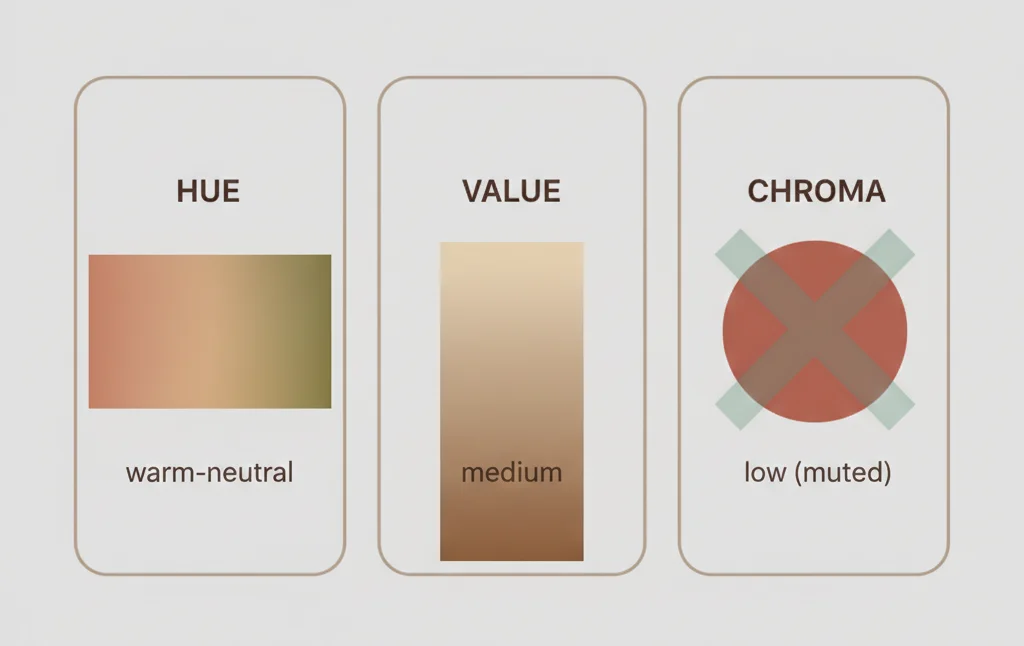
dimensions hue value chroma explained

Value

Soft Autumn colors sit in a moderate value range. These shades are neither extremely light nor very dark. Deep, heavy colors can feel overpowering, while overly bright pastels often look too sharp. The best effect comes from balanced mid-tones that support the season’s gentle warmth.

Hue

Soft Autumn is warm-neutral. The hues contain more yellow than blue undertones, but the warmth is gentle rather than strong. Blues, when present, often appear softened, such as muted teal or turquoise. The palette naturally includes warm greens, yellows, and earthy browns.

Chroma

Soft Autumn has very low chroma, meaning it has little tolerance for brightness. Colors are muted and desaturated rather than vivid, which is why this season always appears soft, calm, and easy on the eyes.

Key Features

A Soft Autumn appearance is defined by gentle warmth and natural softness. Skin, eyes, and hair carry an earthy, muted quality with clear warm undertones. The overall impression feels cozy, grounded, and understated.

Key Soft Autumn traits include:

  • A warm, muted color season with a soft, blended appearance
  • Low to medium contrast, where features flow into one another
  • A muted, toned-down quality that avoids brightness or intensity
  • Warm-neutral undertones, where gold often flatters more than silver
  • An earthy, natural softness across skin, eyes, and hair

Quick Soft Autumn Traits Overview

Undertone: Warm-neutral

Chroma: Low (muted softness)

Value: Medium range

Contrast: Low to medium

Eyes
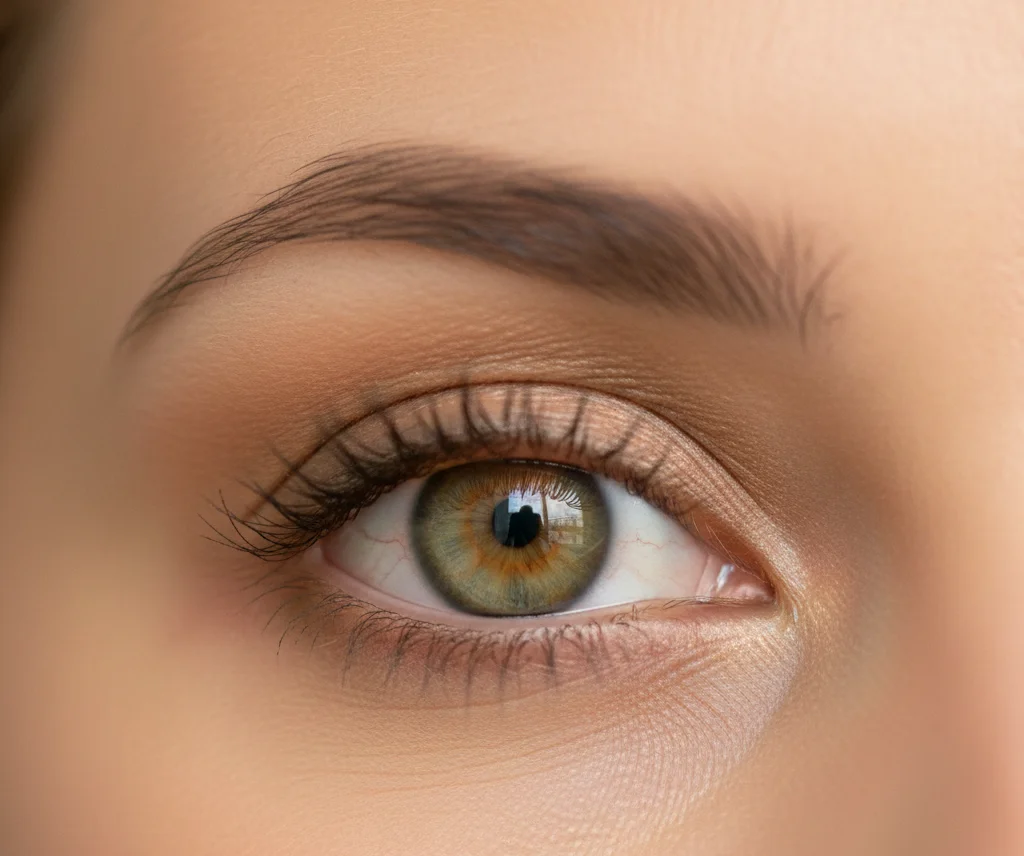
Soft Autumn with hazel green and muted tones

Soft Autumn eyes are often green, light hazel, light brown, or muted blue with a soft gray cast. You may notice freckles in the iris or slightly blended patterns that create an earthy effect. In deeper complexions, the eyes may appear medium brown while still remaining soft rather than bright.

Skin

Soft Autumn skin usually sits in a neutral-warm range. Both gold and silver can work, but gold is often more flattering. Skin tones may range from fair to tan with soft peach, beige, or golden undertones.

Surrounded by very bright colors, the complexion can appear dull, and against harsh black, the skin may look more yellow. Soft, warm shades tend to enhance the natural glow instead.
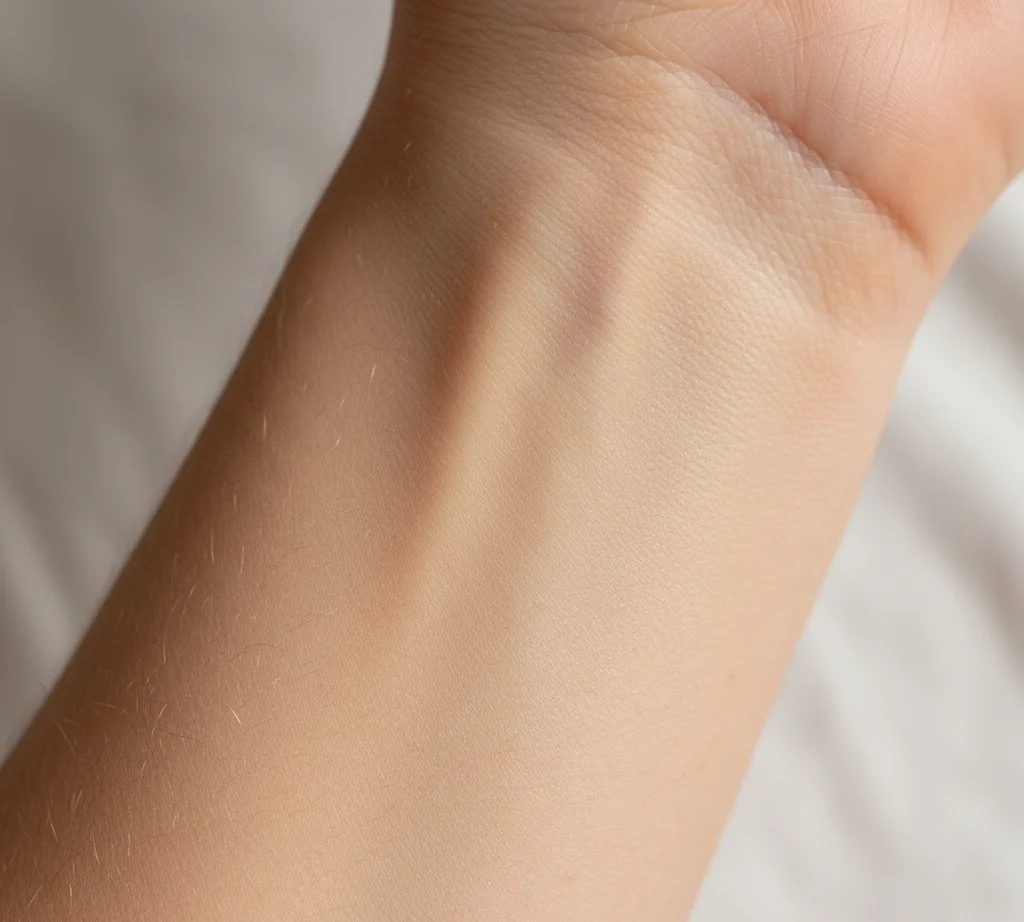
skin undertone characteristics warm neutral and softly golden

Hair

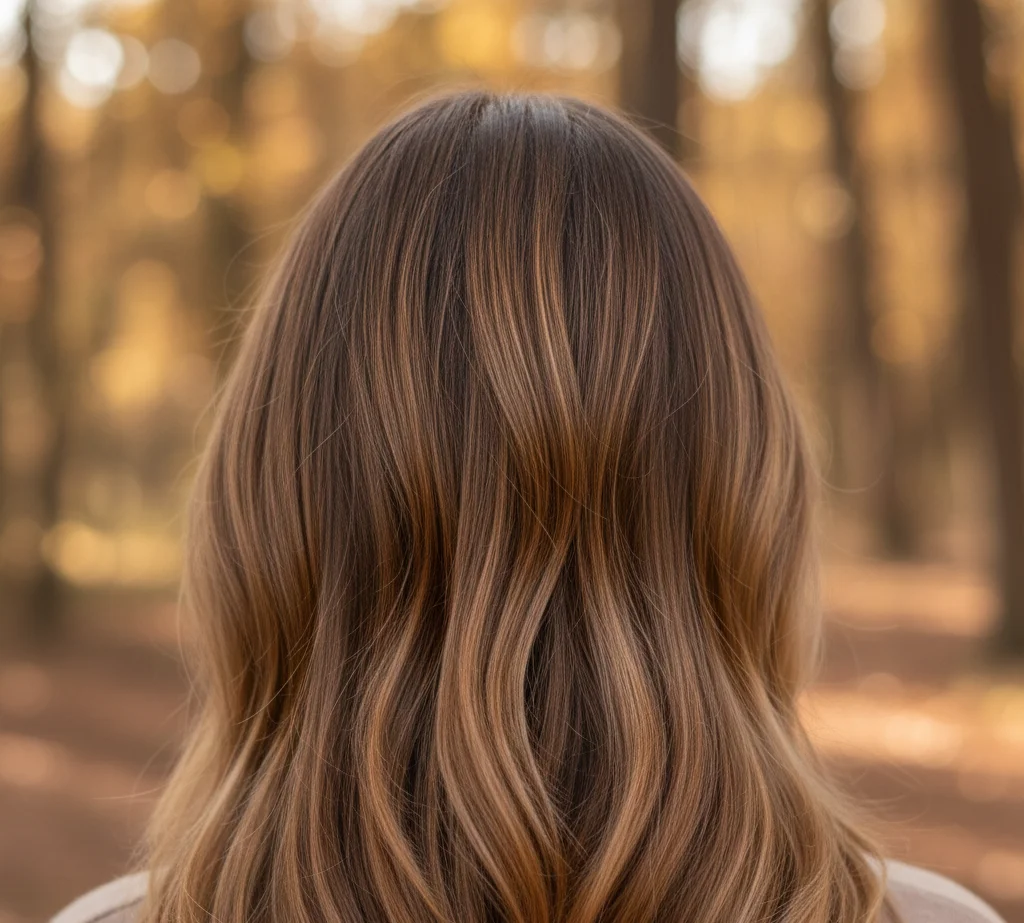
Soft Autumn hair characteristics golden blonde strawberry blonde and warm brown

Soft Autumn hair is warm but muted. Common tones include strawberry blonde, golden blonde, and medium warm brown. The hair may appear slightly ashy because the season is soft, but sunlight often brings out gentle golden highlights.

Many people notice their hair was lighter in childhood and deepened into a warm, earthy shade over time.

Contrast

Soft Autumn is known for low to medium contrast. Hair may be darker than skin, but the difference remains soft rather than dramatic. There are no extreme light-dark contrasts, and the overall coloring stays blended and harmonious.
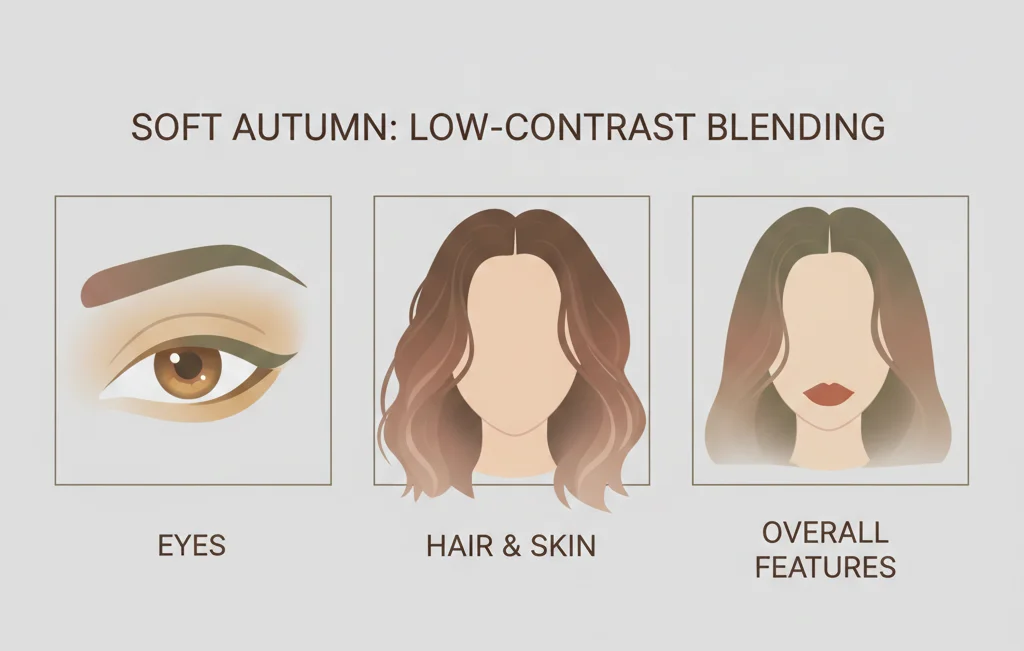
low to medium contrast blended features

Soft Autumn vs Soft Summer

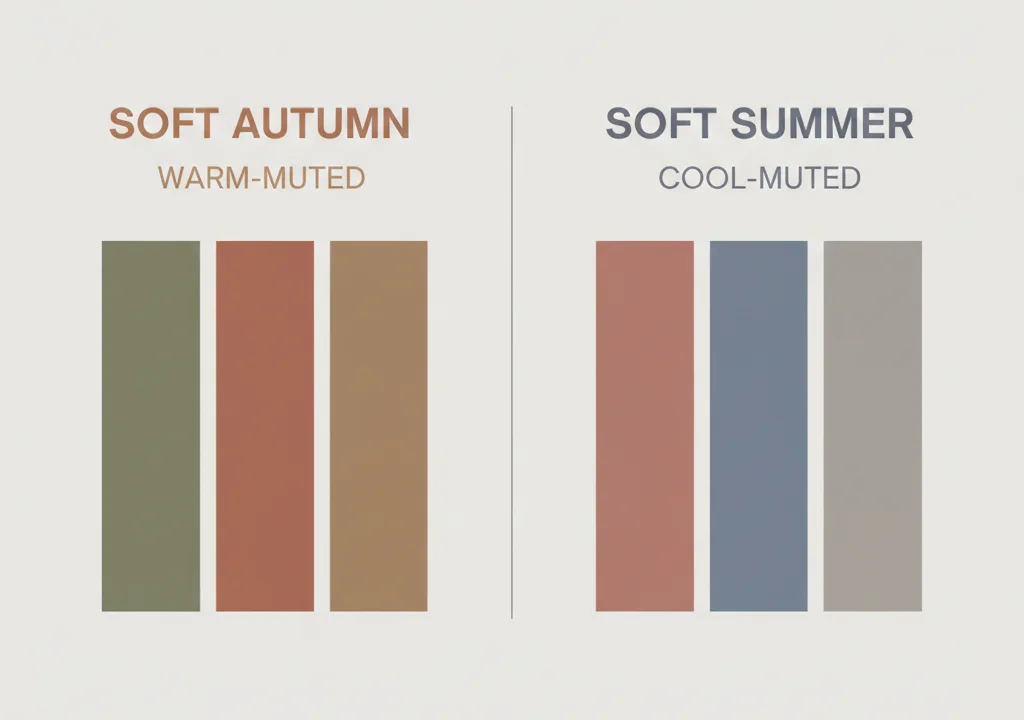
Soft Autumn vs Soft Summer, warm muted vs cool muted

Soft Autumn and Soft Summer are often confused because both are muted seasons with softness as the dominant trait. The key difference is temperature.

Soft Autumn is warm and earthy, with gentle golden or honey tones. Soft Summer is cooler, with more gray and blue influence. If you feel unsure, focusing on warmth versus coolness is usually the simplest way to tell them apart.

Subtype Test (Simple Check)

In natural daylight, hold something neutral gray near your face. If your eyes and skin look more grayish or cool, you may lean towards Soft Summer. If your features stay warmer, hazel, olive, or golden, Soft Autumn is more likely.

Quick Checklist: Do These Traits Match You?

  • Your features look blended, not sharp or dramatic
  • Warmth feels gentle rather than intense or golden
  • Bright colors tend to overpower your natural softness
  • Low to medium contrast feels most natural on you

Closing Thoughts on Soft Autumn Characteristics

Soft Autumn is built on softness and gentle warmth. It never looks sharp, bright, or highly contrasted. Instead, it is defined by muted chroma, warm-neutral hue, medium value, and an overall blended appearance.

By noticing the traits in your eyes, skin, hair, and contrast level, you can better understand whether this season matches your natural coloring. Once these characteristics become clear, it becomes much easier to embrace your look with confidence.

Frequently Asked Questions – FAQ

How can I tell if I have Soft Autumn coloring?

Soft Autumn coloring often looks toned down rather than vivid. Skin, eyes, and hair tend to blend together with low to medium contrast. If bright colors feel strong on you and warm muted shades feel natural, this season may suit you.

What are the main characteristics of Soft Autumn?

This season is known for gentle warmth, muted tones, and a calm earthy look. Colors appear soft and blended rather than bright or sharp. People in this group usually look best in natural shades with little intensity.

Is Soft Autumn warm or neutral?

Soft Autumn sits in a warm neutral range. It leans warm but never strong or golden like deeper autumn types. The overall effect feels balanced, soft, and slightly muted.

What eye colors are common in Soft Autumn?

Common eye colors include hazel, warm green, light brown, and muted blue with gray softness. The eyes usually look blended and earthy rather than icy or sharply contrasted.

What skin undertone does Soft Autumn usually have?

Skin often appears neutral warm with peachy, beige, or soft golden undertones. Both gold and silver jewelry may work, though gold often looks more natural with this warmth.

What hair colors are typical for Soft Autumn?

Hair tends to be warm and muted, ranging from strawberry blonde and golden blonde to medium warm brown. Sunlight can bring out gentle golden highlights without strong contrast.

Does Soft Autumn have high contrast features?

This season usually shows low to medium contrast. Even if hair is darker than skin, the overall look stays soft and blended. Strong black and white contrast can feel harsh.

Soft Autumn vs Soft Summer: what is the difference?

Both seasons share softness and muted tones. The main difference is temperature. Soft Autumn feels warm and earthy, while Soft Summer feels cooler and more gray based. Soft Autumn has more golden warmth.

Can you still be Soft Autumn if one feature seems different?

Yes. Seasonal typing looks at the full appearance rather than one trait. A person may have slightly brighter eyes or darker hair, yet still fit if the overall look stays warm, muted, and blended.

Why does Soft Autumn look muted instead of bright?

This season has low chroma, meaning the natural coloring appears desaturated rather than vivid. That softness creates a calm earthy look and explains why very bright shades can feel overpowering.
Share. Facebook Twitter Pinterest LinkedIn Tumblr WhatsApp Email
Emily Carter
  • Website

Emily Carter is a color analysis expert and the creator of ShadeCompass, a style education platform focused on seasonal color analysis and personal color guidance. With more than 10 years of experience in personal styling and color theory, Emily has helped hundreds of people understand their true color season and build wardrobes that feel natural and confident. Her work combines practical styling advice with clear, easy-to-follow education, making color analysis simple for beginners and useful for anyone serious about personal style.

Related Posts

True Autumn vs Deep Autumn: How to Tell the Difference

April 26, 2026

Warm Autumn Celebrities Guide With Traits and Color Examples

March 14, 2026

Soft Autumn Hair Color: Best Shades and Ideas for a Natural Look

March 14, 2026

Worst Colors for Soft Autumn and What to Wear Instead

March 13, 2026

Best Colors for Soft Autumn: Complete Palette and Outfit Guide

March 12, 2026

Soft Autumn Makeup: Best Colors, Routine, and Products

March 11, 2026
Add A Comment
Leave A Reply Cancel Reply

About Owner
Emily Carter – Founder of ShadeCompass

Emily Carter

Emily Carter is a color analysis expert and the creator of ShadeCompass, a style education platform focused on seasonal color analysis and personal color guidance. With more than 10 years of experience in personal styling and color theory, Emily has helped hundreds of people understand their true color season and build wardrobes that feel natural and confident.

Latest Posts

Milan Fashion Week Womenswear Schedule: CNMI Provisional Calendar

July 27, 2026

What is the 3-3-3 rule for outfits?

July 27, 2026

Sherri Shepherd Responds to Fashion Criticism and Ageist Remarks

July 27, 2026

Emerging Talents Switzerland Helps New Designers Go Global

July 26, 2026
Don't Miss
Seasonal Color Analysis

What Is My Color Season? Easy Ways to Discover Yours

By Emily CarterJanuary 27, 2026

Have you ever worn a color that looked beautiful on someone else, but on you…

12 Color Seasons Explained: All Seasons and Sub-Seasons

January 28, 2026

Autumn Color Seasons: Soft, True & Deep Explained

January 29, 2026

Summer Color Seasons: Soft, True, Light & Cool Explained

January 31, 2026
Stay In Touch
  • Facebook
  • Twitter
  • Pinterest
  • Instagram
Demo
About Us
About Us

At ShadeCompass, we share simple guides and practical tips to help you understand seasonal color analysis and choose the colors that suit you best. Whether you’re new to personal style or refining your look, you’ll find inspiration here to feel confident in every shade you wear.

Our Picks

Milan Fashion Week Womenswear Schedule: CNMI Provisional Calendar

July 27, 2026

Sherri Shepherd Responds to Fashion Criticism and Ageist Remarks

July 27, 2026

Emerging Talents Switzerland Helps New Designers Go Global

July 26, 2026
Start Here
  • Seasonal Color Analysis Tips
  • What Is My Color Season?
  • How to Determine Your Color Season
  • Color Theory for Personal Style
Facebook X (Twitter) Instagram Pinterest
  • Home
  • Contact Us
  • Terms & Conditions
  • Privacy Policy
  • About ShadeCompass
  • Advertise With Us
ShadeCompass.com © 2026 - All rights reserved.

Type above and press Enter to search. Press Esc to cancel.